
Sharpness reworked with GPT Image
Football · Journey
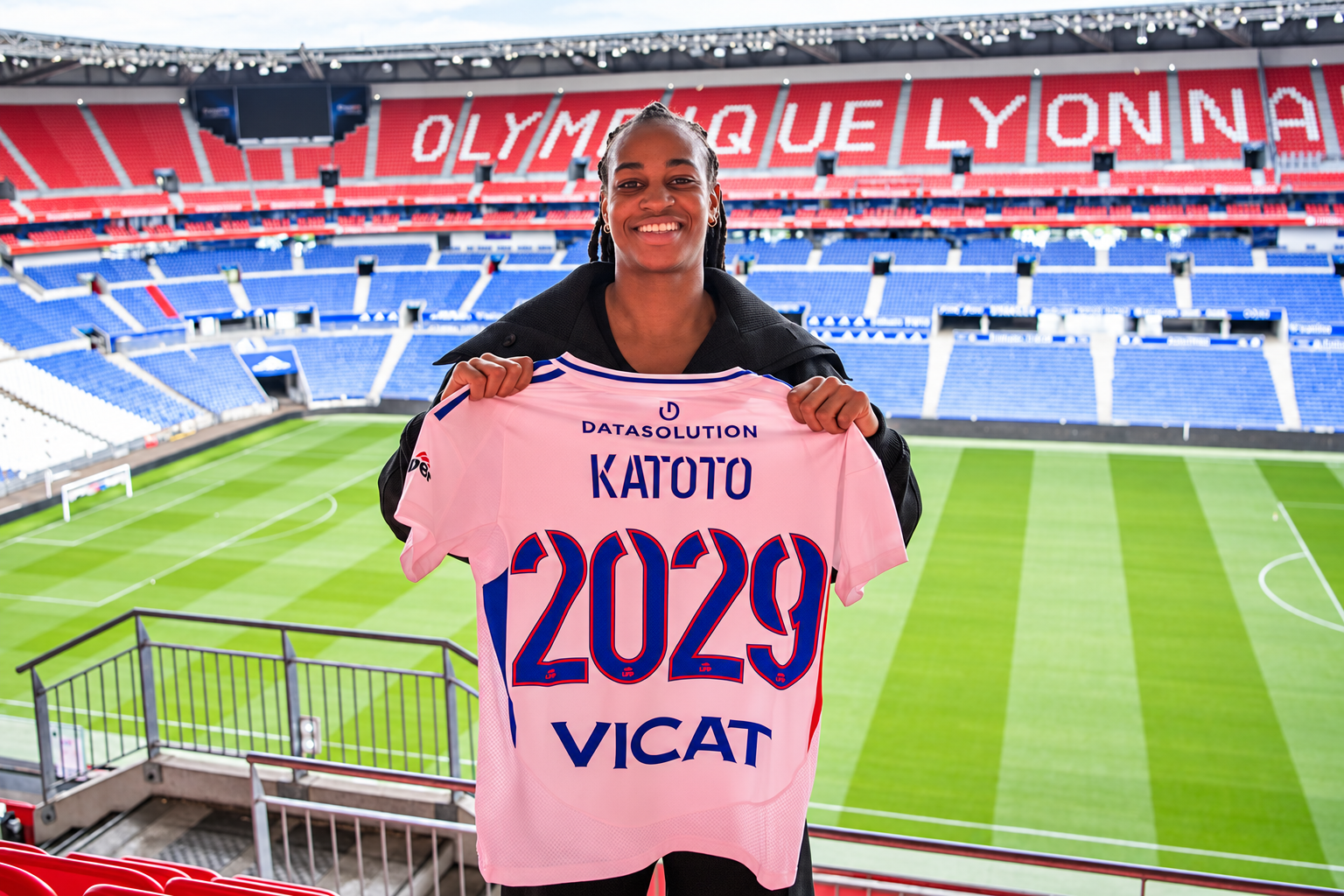
Marie-Antoinette Katoto
The striker returns to the Parc in a different shirt. Her challenge: finding continuity in a fiercely contested attack.
Read her storyThe SNA magazine · October 2026
Stories to spend time with, places to discover and practical ideas for an active life. Africa and its diasporas, at every age.
To explore women's sport in Africa, read our guide to profiles and places to train. Read the guide in French.
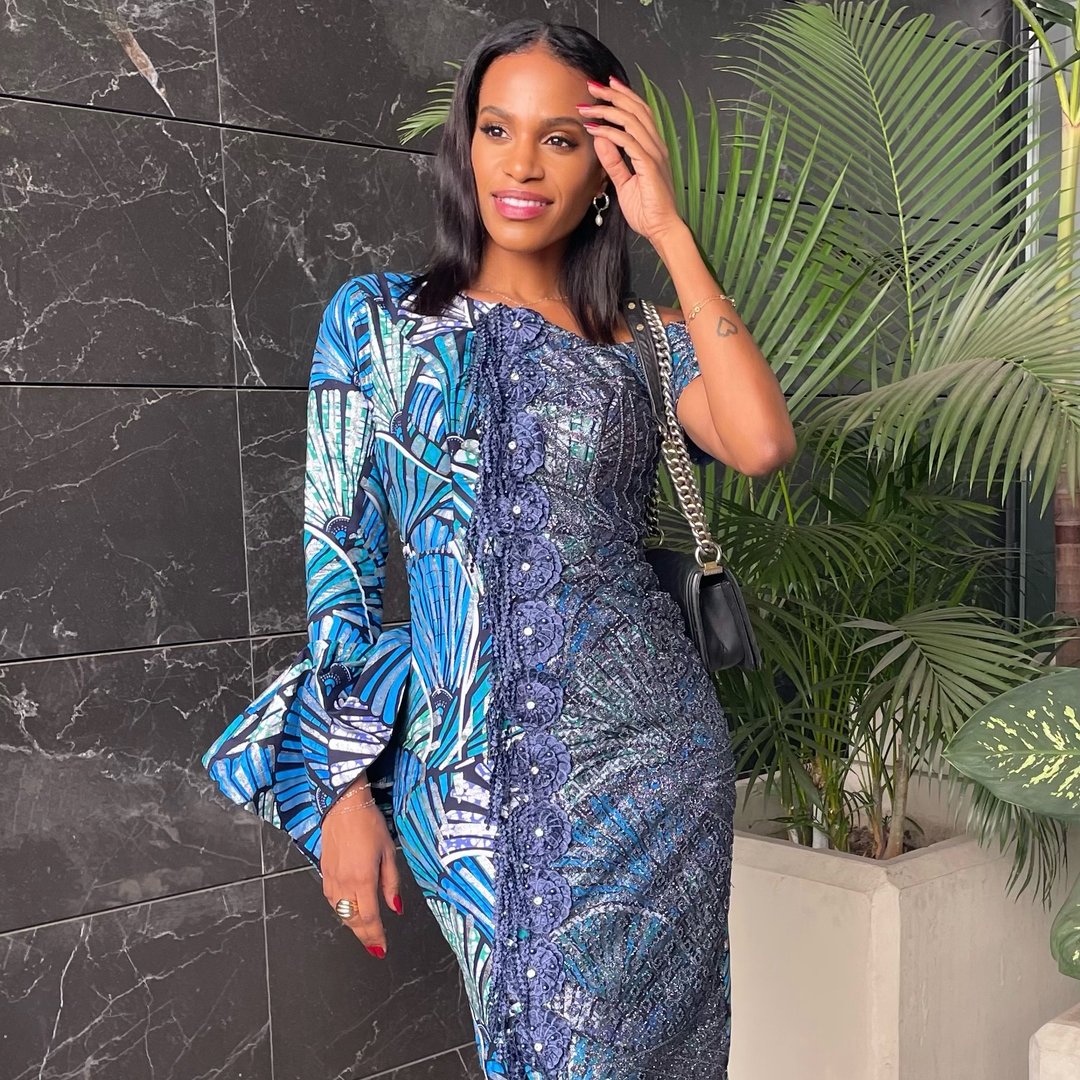
Journalist and presenter · 47 years old
Portrait: Instagram account @florellemanda · photographer not credited.
Florelle MANDA's editorial
Sometimes there is a pair of trainers waiting by the door. A bag packed the night before. A message to a friend: “Are you coming with me?” Then that small moment when you decide to go, despite the busy day, the tiredness, the awkwardness of being new.
Once you arrive, there is a little finding your feet to do. Working out a movement. Accepting that you might lose your balance. Laughing, trying again. Then leaving with warm cheeks, shoulders a little lighter and, perhaps, the wish to come back.
That is the place of sport in our lives that we want to explore in Au féminin.
We love great performances, the moves that make us hold our breath, the victories we stand up to watch. We also want to look more closely at what surrounds them: a first class, a return put off for months, someone who helps you feel you belong. These quiet moments matter. For the woman experiencing them, they can change a great deal.
After having a baby, for instance, returning to sport can mean rearranging a whole routine. Finding someone to look after the child. Making an hour available. Getting to know a body that feels different. We will take time to tell these stories of returning, with their pleasures, their adjustments and the people who help make them possible.
Faith Kipyegon tells how she returned through walking and jogging after eight months of rest following the birth of her daughter. “It simply takes time”, she writes in her account published by World Athletics in 2020. There is something reassuring in those few words: even a champion needs time and people to turn to. Her story.
We will open the doors of studios and gyms, too. Before entering somewhere unfamiliar, you may want to know how you will be welcomed, whether beginners can join and what you need to bring. We will look for the details that make it easier to step inside. From Marrakech to Douala, Nairobi to Cape Town, we will explore these places and the women who bring them to life.
There will be room for fashion, and for the pleasure of taking a closer look. A colour that catches your eye. A print that brings something familiar to mind. The drape of a pair of trousers, a fabric, a shoe you can already picture with an outfit. We will show the pieces and explore the designers’ ideas, leaving each reader the pleasure of looking and choosing.
We will also talk about what supports us as we move: eating, sleeping, recovering and paying attention when tiredness lingers. In clear language, with useful ideas that make sense in our kitchens, our days and the resources available to us.
Africa and its diasporas will be at the heart of this magazine. We will seek out voices, ways of doing things and stories that are still too rarely seen. Women of different ages, with their ambitions, humour, sensitivity and their own ways of moving through life.
I hope that when you come here, you find a story to share with your sister, a place to send to a friend, a detail that stays with you. That you can linger over a photograph, learn something, recognise a part of yourself in a story.
And that, somewhere along the way, an idea begins to take shape: booking that class, trying that movement or taking out the trainers waiting by the door.
Quotation adapted from our French edition; original account published in English by World Athletics.
Explore our eight profiles. The country filter reflects the places and connections in each story.
8 profiles to explore
No profile matches both filters yet. Try one filter, or return to the full selection.
They were in our archives
Katoto settles in Lyon. Diani discovers the English game. Elsa Majimbo chooses other creative formats.
Football · Journey
The striker returns to the Parc in a different shirt. Her challenge: finding continuity in a fiercely contested attack.
Read her story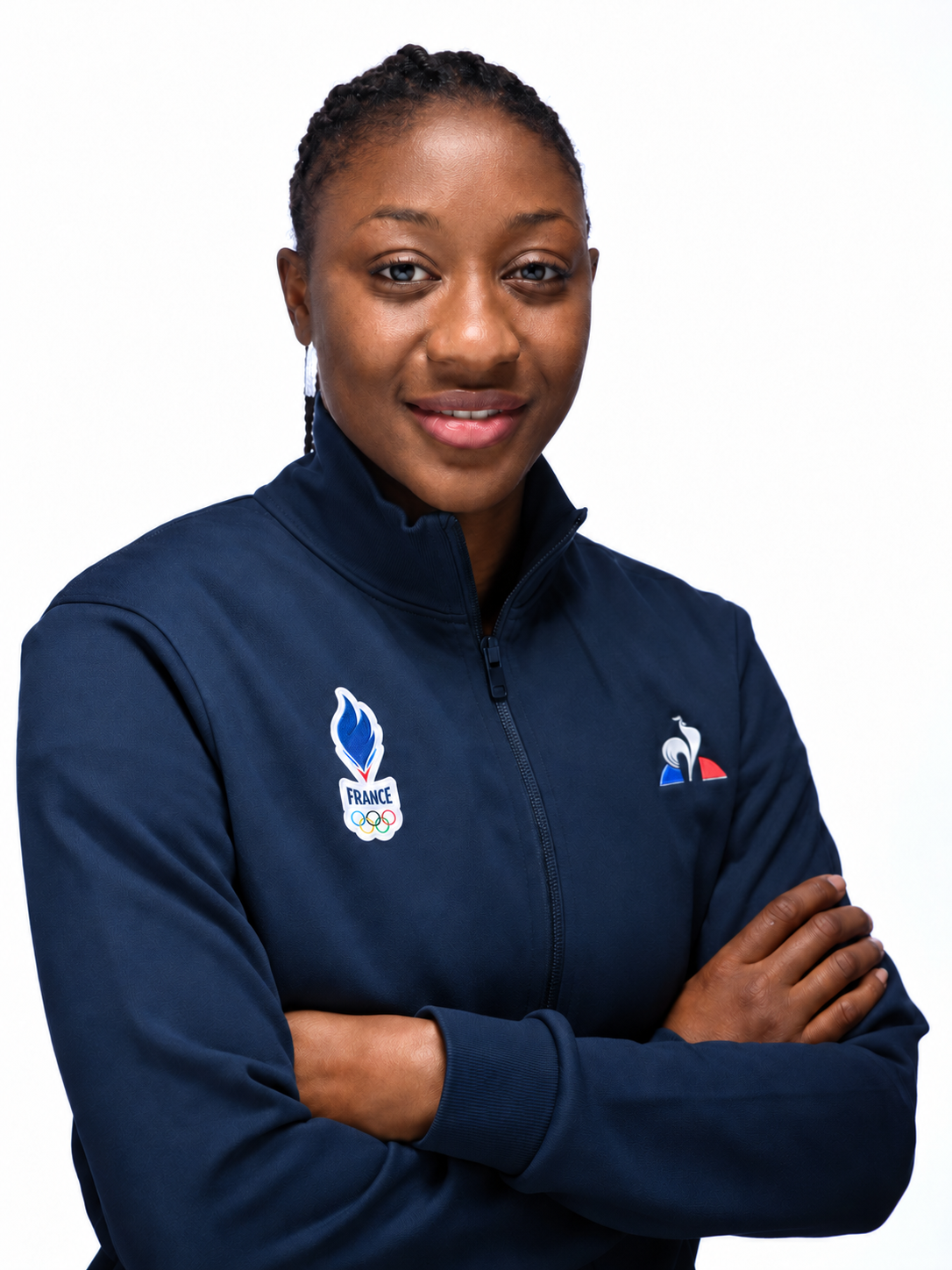
Football · New league
Having left for England at 31, she is helping build the play of a club looking to shake up the WSL.
Read her story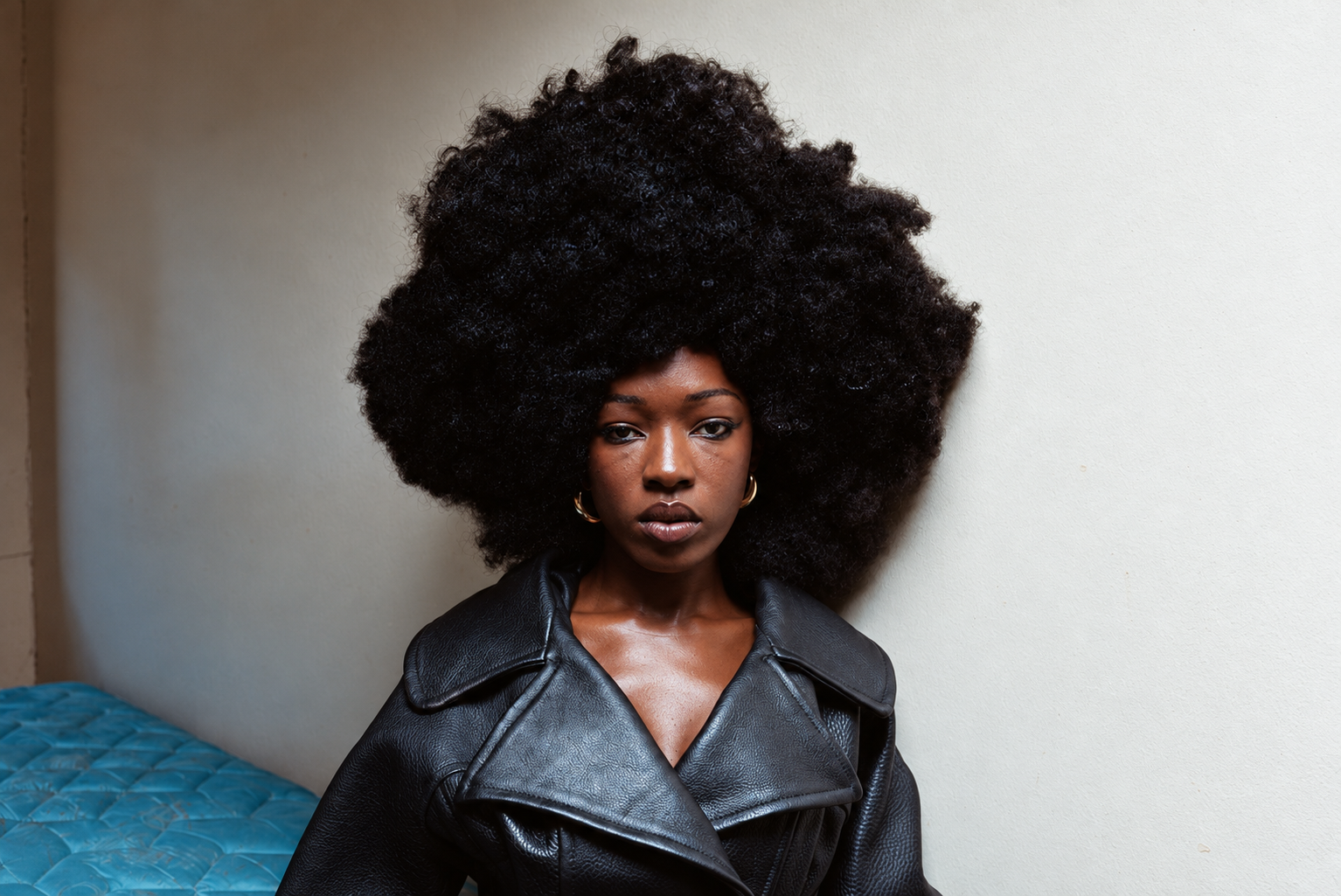
Chess · Culture
Her audience discovered her through very short videos. She now says she wants to devote time to filmmaking.
Read her storyThe opening portrait · Morocco
She has joined the apprentices of Mirleft. A detour into construction, in a daily life already shaped by workshops and sessions with children.
Step into Houda's storyA Moroccan skateboarder at Southbank, London · May 2026.
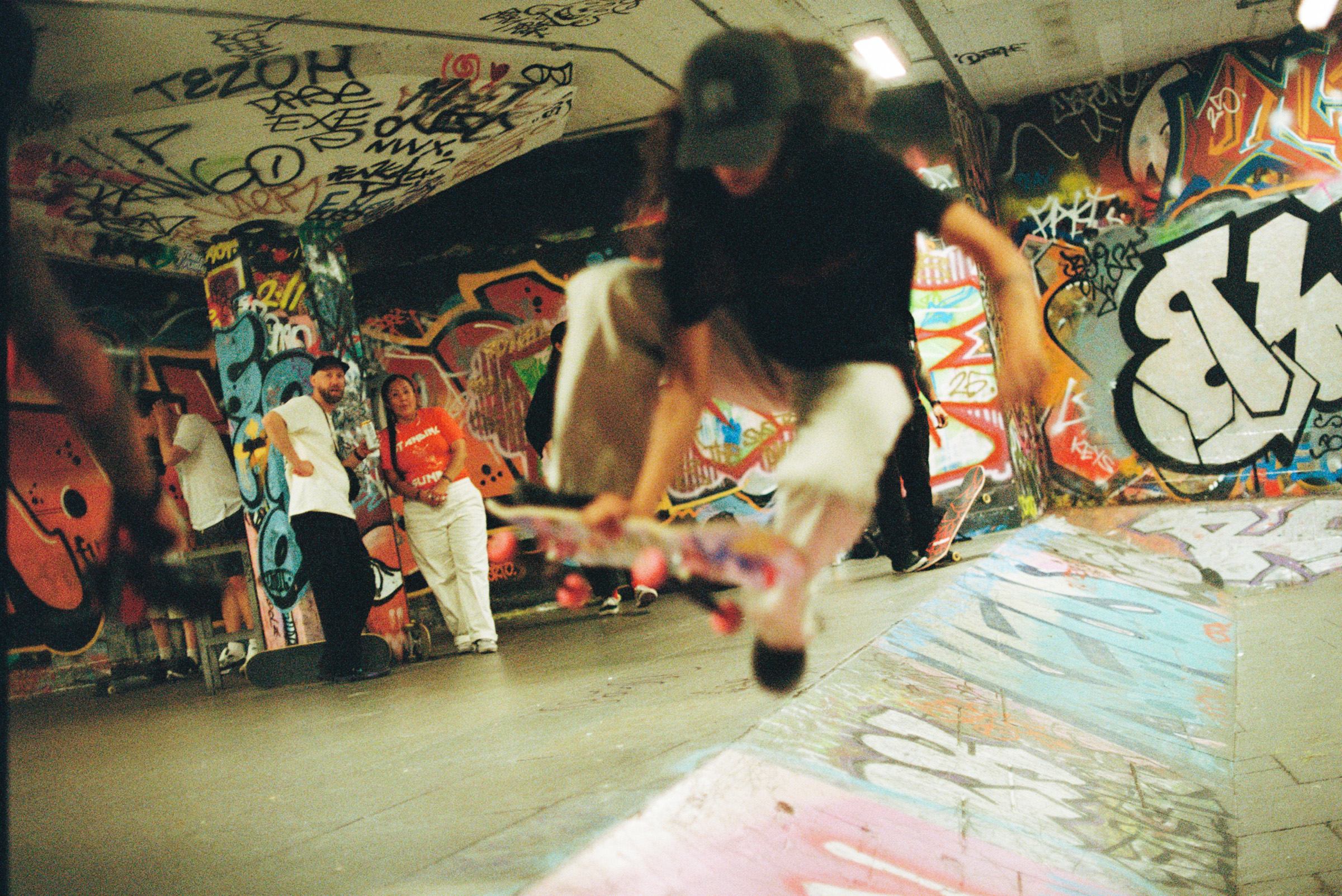
The feature until 31 October
A surfer looks for funding for her lessons. A project manager keeps skateboarding moving. A guide trains in first aid. An artist turns her training into challenges.
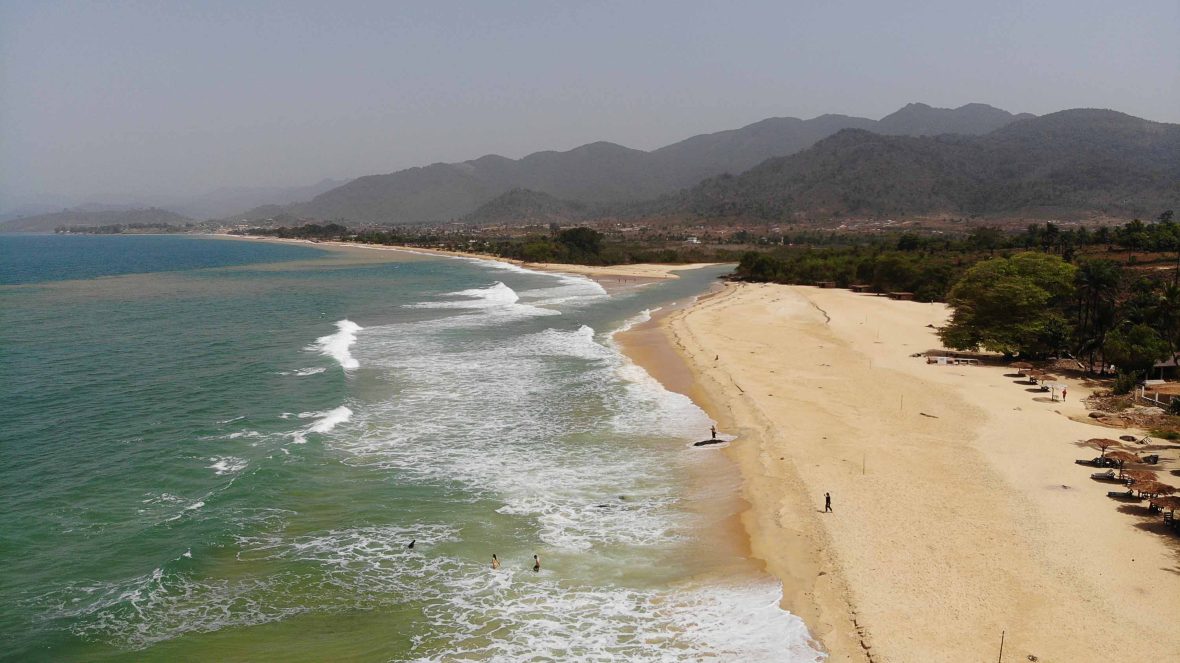
Sierra Leone · Surfing
A club, lessons and a school project on the Sierra Leonean coast.
Read this article Photo: David De Gregorio / Adventure.com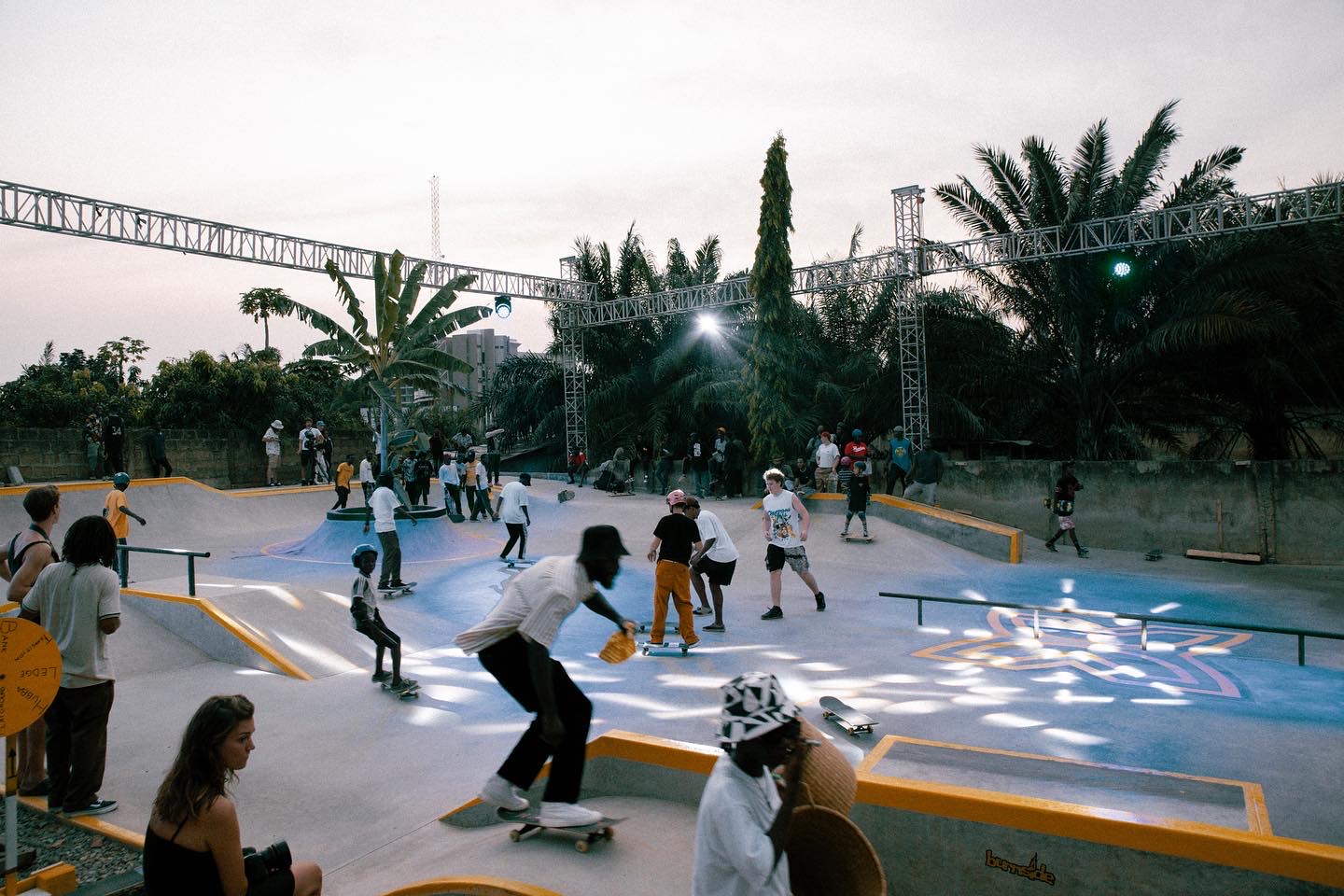
Ghana · Skateboarding
The tours and the places that keep a local scene going.
Read this article Archive of the original park · Photo: Surf Ghana · photographer not credited
Kenya · Mountain expeditions
An organiser who had to train in mountain rescue.
Read this article Photo: Mountain Slayers Kenya · photographer not credited
United Kingdom · Nigerian diaspora · Acrobatic roller skating
The circus and dance behind her timed performances.
Read this article Photo: © Tinuke / FlaneurzMothers & sport
Back to training, back on tour, back in competition. Three athletes describe what returning to sport after having a child involved for them.
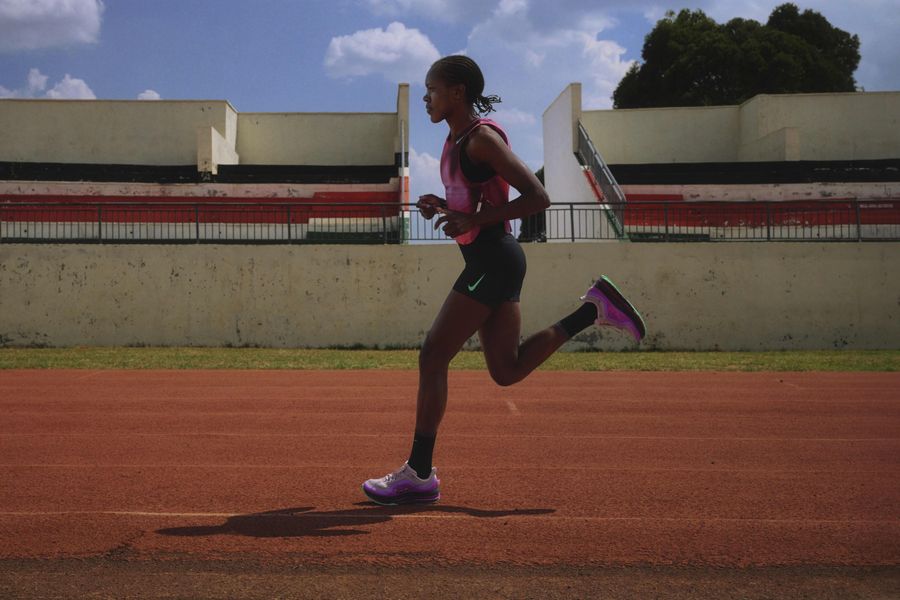
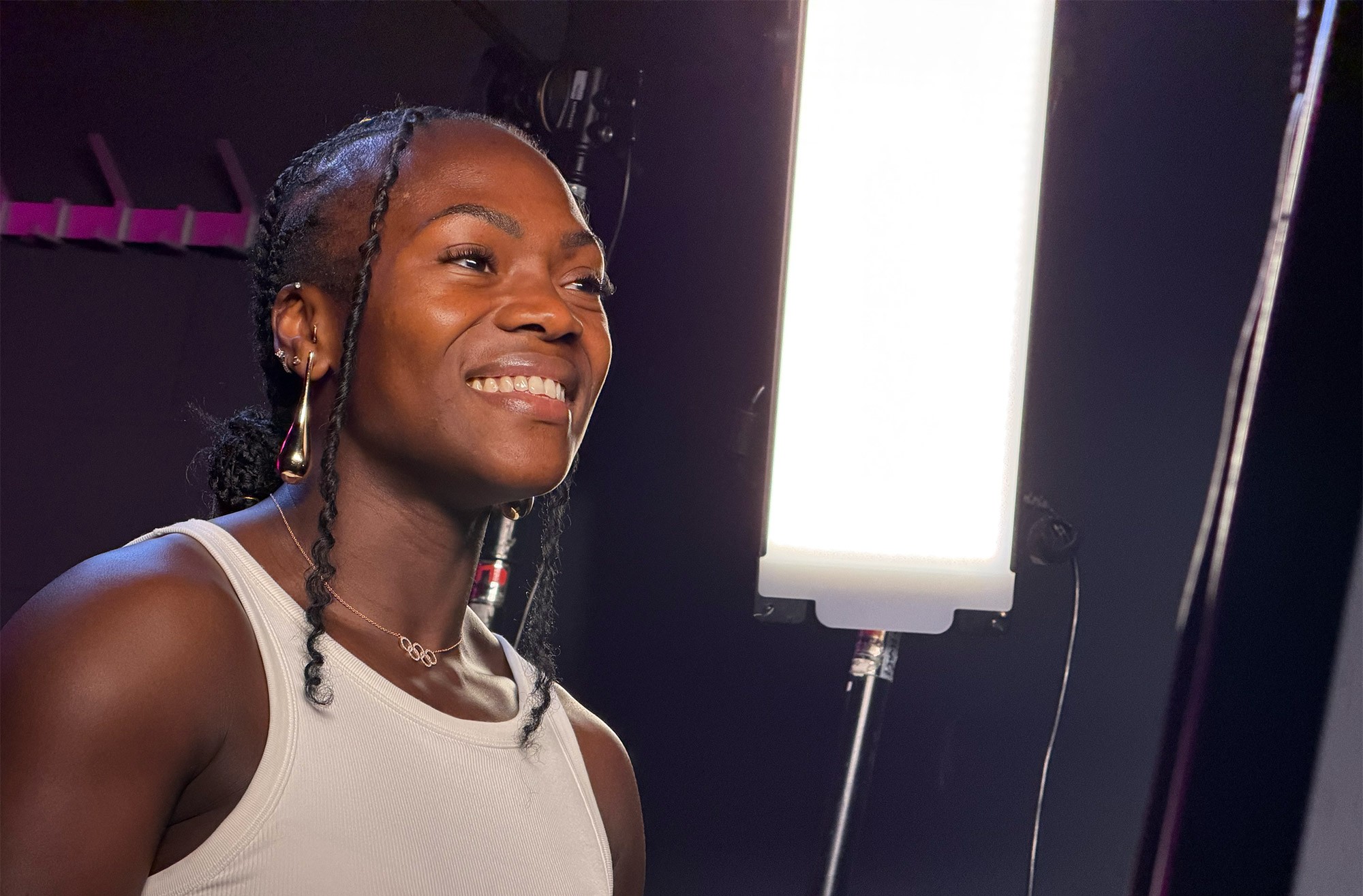
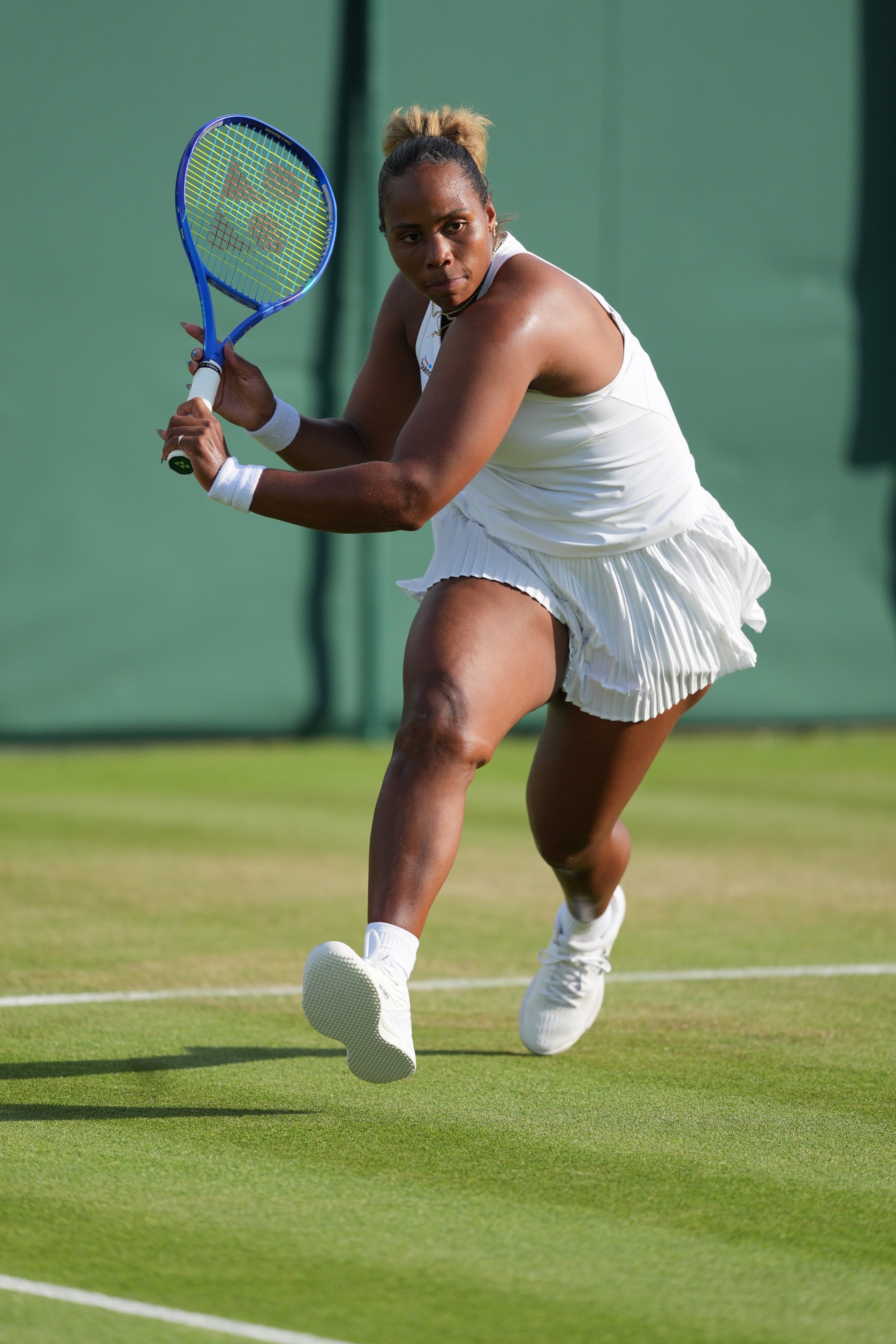
These accounts highlight personal experiences, different support networks and different means. A comeback does not take just one form.
Sportswear · Look, understand, wear
The designers, their references and the details of the pieces. Two features to read and look at here, with photographs you can enlarge.
Collection and campaign · April 2026
Green knitwear, a print inspired by crowds, a shoe without laces. The PUMA × Ahluwalia collection, presented in April 2026, draws on African football fan culture in several different ways.
Open the images to examine the prints, the fabrics and the lines.
For this April 2026 collection, Priya Ahluwalia draws on supporter cultures, notably in Morocco and Nigeria. PUMA’s archives also feed into the collaboration. It is the partnership’s second chapter, after a first Suede shoe presented in autumn 2025.
On her brand’s website, the designer connects her work with her Indian and Nigerian heritage and her London roots. She describes using textile techniques to explore old garments and surplus fabrics. Behind the prints are places and histories she chooses to bring together. That broader approach does not mean every piece in this collection has the same fabric composition.
On the tracksuit photographed, the red and dark motif carries on from the top to the trousers. PUMA describes it as an abstract evocation of a stadium filled with supporters. In the gallery, you can look at the scale of the drawing and its repetition across the two pieces, rather than reducing it to a simple colour.
The knitted outfit offers another interpretation of green, which the brand connects to the Nigerian flag. A small bag repeats a wavy design that echoes PUMA’s Formstrip. Several details connect the look: the garment’s fabric, the accessory’s pattern and the lines of the shoe.
The V-S1 has a low, laceless shape drawn from 2000s football footwear. The product photograph shows two versions: a bright colour palette and a grey-and-black version. It lets you compare the colours on the same shape. This is a fashion presentation; SNA has not tested the shoes’ performance or comfort.
Shot in Morocco, the film Almost, Always and the campaign photographs extend this world. Watch the film in the player below, then open the images one by one to explore the pieces.
Spring 2026 collection. Availability may change.
The campaign film
A campaign filmed in Morocco. Official PUMA × Ahluwalia film, April 2026; optimised for web playback, with its full running time retained.
Video: PUMA Media Hub. Original presentation.
Collection and campaign · April 2026
With Super Yaya, the shoe born of motorsport moves through printed canvas and then patent leather. The images show what the material, the motif and the way it is worn can change.
From canvas to patent: compare the details and the ways of wearing the Speedcat.
The PUMA × Super Yaya collaboration, supported by Zalando, unfolds in two stages in April 2026. First come canvas and polka dots, then patent leather with a raised motif. The materials create different effects: the first makes the pattern clear, while the second also brings light into play.
Super Yaya founder Rym Beydoun connects her work with her Ivorian and Lebanese influences. Street life, everyday Abidjan, the clothes people wear and how they use them all feed her eye for design.
The photograph of the blue shoes lets you follow the polka dots across the canvas, from the toe to the side of the shoe. The contrast with the black clothing draws the eye to this surface. In the other two views, the violet patent leather and the black patent leather reflect more light; the polka dots read through the texture. Opening the photographs helps you compare these details without leaving the magazine.
The collection builds on a low-cut silhouette. Rym Beydoun seeks contrasts between sport, everyday life and dressier occasions. The photographs show these ways of wearing the shoe within a fashion wardrobe.
Mudra Afrique, the dance school based in Senegal, is among the collaboration’s references. The dialogue between Maurice Béjart and Germaine Acogny joins this world. The moving body becomes a way to reinterpret a shoe associated with motor sport.
The designer also says she tries her designs on herself to assess comfort. That attention to how a piece feels when worn runs through her account of Super Yaya. In the gallery, the outfit and detail photographs complement each other: one places the shoe within a look, while the others let you examine the design more closely.
Collection and campaign · April 2026. Availability and prices may change.
Editorial selection with no affiliate links. Clothing and footwear shown in a fashion context.
Health · Understand in order to practise
A session ends. The day goes on. Sleep, training rhythm and lingering fatigue: pointers to better understand what happens between one class and the next.
Its duration, its regularity and its quality.
Water, meals and the space left for rest.
A reason to talk to a professional.
A fitness class, a long commute, a broken night’s sleep: these moments all belong to the same day. Recovery makes more sense when we look beyond time spent training. Meals, water and rest belong in that picture, close to the habits of everyday life.
In practice, you can start by preparing what comes after the class: having access to water, knowing when you will be able to eat, keeping space for rest. The organisation will differ after a short session, an intense workout or a long outing. These examples are starting points for preparation, not an identical programme for everyone.
For adults aged 18 to 60, seven hours of sleep or more a night is a general benchmark. Duration alone does not describe sleep quality or sporting recovery. Waking often and feeling drowsy during the day also matter.
Regular sleeping and waking times and a quiet bedroom can help. Shift work or a child waking at night can make that regularity difficult. What helps then is a realistic look at your routine, rather than another demand on your time. A healthcare professional can help explore persistent sleep difficulties.
Recovery also includes drinking and eating after activity. Carbohydrates help restore energy and protein supports muscle repair. Before leaving, one practical question can help: what meal or snack will be available afterwards? Our nutrition feature offers everyday food examples, without a set menu.
Building up gradually and leaving time to recover helps shape the rhythm of sessions. The rest needed depends on the activity and the person. An advanced class, a return to training and a walk call for different arrangements. A friend’s schedule can spark an idea; it cannot tell you what your own needs are.
Occasional tiredness and fatigue that lasts without a clear cause call for different attention. Lack of sleep, stress, hormonal changes or illness can play a part. If fatigue persists for several weeks, interferes with daily life or comes with other symptoms, seek medical advice. These signs do not allow you to diagnose yourself.
Heavy periods can contribute to iron deficiency. Tiredness and breathlessness are not enough to identify it: a medical assessment, usually including a blood test, helps investigate the cause. An iron supplement is no substitute for that process. These pointers can help you describe what you feel and ask questions. You do not have to find the explanation for lingering fatigue on your own.
General information checked on 24 October 2026. These pointers are no substitute for advice tailored to a medical situation.
Nutrition · Understand in order to practise
Rice, beans, eggs, fruit: organising your eating around a session can start with what is already in the kitchen. Here is how to read the main food groups and adapt the questions to your activity.
Rice, bread, potatoes…
Beans, eggs, fish…
Vegetables and fruit according to your habits.
Food groups to combine according to your habits and needs.
Around a session
Time and digestive comfort both matter. The feature looks at how everyday foods can fit around a session.
Duration, intensity and heat change your needs. Endurance situations should not be confused with a leisure class.
A meal or a snack can combine carbohydrates and protein. Rice and beans, bread and an omelette: examples, with no imposed portions.
Starchy foods, fruit and vegetables, protein sources, dairy or suitable alternatives, small amounts of unsaturated fats: balance draws on several food groups over the day. Variety is the starting point. One food cannot make up for an otherwise poorly balanced day.
For someone taking part in recreational exercise, that is a practical place to start. It means looking at the meals actually available: what is cooked at home, what you take to work, what you can find after a class. Budget, taste, food traditions and time all matter.
Carbohydrates provide useful energy around activity: cereals, bread, rice, fruit and vegetables can all contribute. Choose foods you digest well, allowing for the time between eating and exercise. A full meal eaten at leisure and a small snack just before leaving serve different situations.
When you eat remains a personal matter. Rather than copying a ritual seen in a video, observe what is usual and comfortable for you. A very early-morning activity, a class after work or a long outing are not prepared in the same way. Particular needs, an illness or digestive issues warrant a conversation with a qualified professional.
Water is a simple choice for staying hydrated. Drinking regularly during the day helps prepare for a session; heat, prolonged activity, pregnancy or breastfeeding can increase needs. A general guide should not become an identical number of glasses for everyone in every situation.
A sports drink is not automatically needed for every class. During activity lasting an hour or less, eating is generally unnecessary; prolonged, intense exercise raises different questions about energy intake. Before a leisure class, plan access to water and ask about the conditions of the session.
Carbohydrates help restore energy and protein supports muscle repair. Everyday foods can combine these functions: rice with beans and vegetables, bread with an omelette, or yoghurt with fruit. Quantities and timing depend on your needs; these combinations are examples.
A snack can be handy when the next meal is some way off. If a meal follows the session, the question is how it fits into the day. An elite athlete’s needs do not transfer automatically to occasional exercise.
Finding ideas that fit your days and habits, without turning every meal into a test, is the thread of this feature. It sets no weight target or calorie count. For a medical condition, a significant dietary restriction or intensive training, a doctor or dietitian can help find an approach that suits you.
General information checked on 24 October 2026. These pointers are no substitute for advice tailored to a medical situation.
Where to practise · The magazine's selection
A women-only studio, a one-to-one class, an introduction on equipment or a matwork session: four new addresses, from Marrakech to Cape Town, to prepare your next discovery.
New stops: Wednesday & Saturday. A new place to discover at each instalment, from 28 October to 19 December 2026.
North Africa · Morocco · New stop
Marrakech
At Fora, a class can continue over coffee. The women-only Marrakech studio offers yoga, mat Pilates, Reformer and fitness. Its introductory video takes you into rooms with wooden details and arches. Start with what you would like to try: the apparatus, a mat class or yoga. Ask the team which format would suit your experience.
The studio advertises classes Monday to Saturday, 7 a.m. to 9 p.m. Ask for the time slot for your chosen discipline, the level and the price before booking.
A useful landmark: the business centre is opposite Victor-Hugo secondary school. The venue describes itself as 100% dedicated to women.
Visit published by the studio · filming date not specified
Video: @forawellness on Instagram. Original post.
Central Africa · Cameroon · New stop
Douala
In Bonapriso, Essence Pilates offers hour-long sessions with a dedicated coach. That one-to-one format allows time to get to know the apparatus and ask questions. The studio also features in collaborations and gatherings among women. If Reformer is new to you, ask how the coach will guide your first session before booking. The selected video is the team’s own introduction to the studio.
The website shows booking seven days a week and payment on site. Have the coach's availability, the session price and the exact arrival point confirmed.
In Bonapriso, the venue welcomes women. When choosing a session, ask about the group and how newcomers are welcomed.
Presentation by Essence Pilates · filming date not specified
East Africa · Kenya · New stop
Nairobi
Windows looking onto greenery, several types of apparatus and an introductory class: Sondr offers distinct ways to practise. Founder Gagan Ubhi says she wanted to bring to Nairobi the Pilates she had practised in Australia. Intro and Essential are the formats offered to beginners — two names to ask about when discussing your first session. The video shows a participant using the apparatus.
Booking goes through the studio's front desk, notably via WhatsApp. Beginner, private and semi-private formats are announced; choose the class with the team rather than relying on the name alone.
The studio requires non-slip socks and advises arriving ten minutes early. It lists parking, changing rooms and showers. It does not describe itself as women-only.
Video from Sondr's official website · filming date not specified
Video: sondr.STUDIO · video released on its official website. Original post.
South Africa · New stop
Cape Town
Sol combines Reformer Pilates with mat classes at its Claremont studio. The venue's account also makes room for its community's gatherings, including sessions outside the studio. The short Reel chosen gives a glimpse of training on the machine; here it accompanies a permanent address, not the announcement of an upcoming event.
The website explains booking through the Fit by Wix app, using studio code XEOZAB. Before choosing a time, ask about the class level and what an introduction to Reformer involves.
The address to note is Studio 108, Palmyra Junction, Claremont. Ask about the group and the format you would like before booking.
Short practice glimpse published by Sol · filming date not specified
Our first stops · Abidjan
Studio and group classes · Côte d'Ivoire
Abidjan
The club shares a Pink Pilates Party: a group mat session, with participants gathered in an outdoor setting. Before joining a class, you can ask which group matches your experience. The video here gives a glimpse of this group gathering and its atmosphere.
The club uses the Core Fitness CI app for classes and bookings. Time slots, prices and arrangements for welcoming beginners are to be confirmed with CORE.
The venue is not described as women-only. Ask which sessions suit your experience and what to expect on arrival.
Reel published on 25 May 2026 · glimpse of a past event
Video: @core.fitnessci on Instagram · In collaboration with @lepalaisdelabeaute_. Original post.
Outdoor sports event venue · Côte d'Ivoire
Boulay Island, Abidjan
CORE Fitness documents a cardio session with Cheick Power at Boulay Beach Resort. This was a one-off sporting event at the resort. The video shows a past experience, rather than a regular class.
A trip to the island also involves planning the crossing. To organise your visit, ask CORE or the resort for the next sporting date, as well as the conditions for the journey and participation. No permanent sporting fixture is confirmed by this Reel.
The resort's website indicates access via its quay in Zone 4, opposite La Terrasse restaurant. Have the departure point and boat time confirmed when booking.
Reel published on 19 May 2026 · preview of a past event
Video: @core.fitnessci on Instagram · With @bbrboulaybeachresort · In collaboration with: @ivorio_energie. Original post.
Videos play within the magazine, with their credits and original links. Availability, prices and conditions of admission should be confirmed with the venues. A presentation video is not a live class; past events are identified in the listings.
Your turn
Groups exist where you can discover an activity and meet the women who already practise it. Three ways in, across Africa and its diasporas.
Nairobi, Kenya · Boxing
The association combines boxing with education and runs activities in schools and neighbourhoods. It also supports women who wish to commit to the discipline.
Tell the association your age and experience so they can find the group that suits you. Ask them to confirm the meeting place and whether equipment can be borrowed.
United Kingdom · Hiking
Founded in 2019, this collective offers Black women group hikes, activity days and training to help them take their place in the outdoors.
Pick a walk that suits you: look at the distance, the elevation gain, the starting point and the kit required, then chat with the collective about how the outing will unfold.
United States and international chapters · Cycling
This network puts women of colour at the heart of cycling together. Its directory lets you find local groups, notably in the United States and London.
Pace and distance matter when finding your place on a group ride. Locate your nearest chapter and talk to its organisers about the route and how to take part.
Organisers confirm the venues, dates, prices and conditions of their activities.