
A midfielder sacrificed at the worst moment
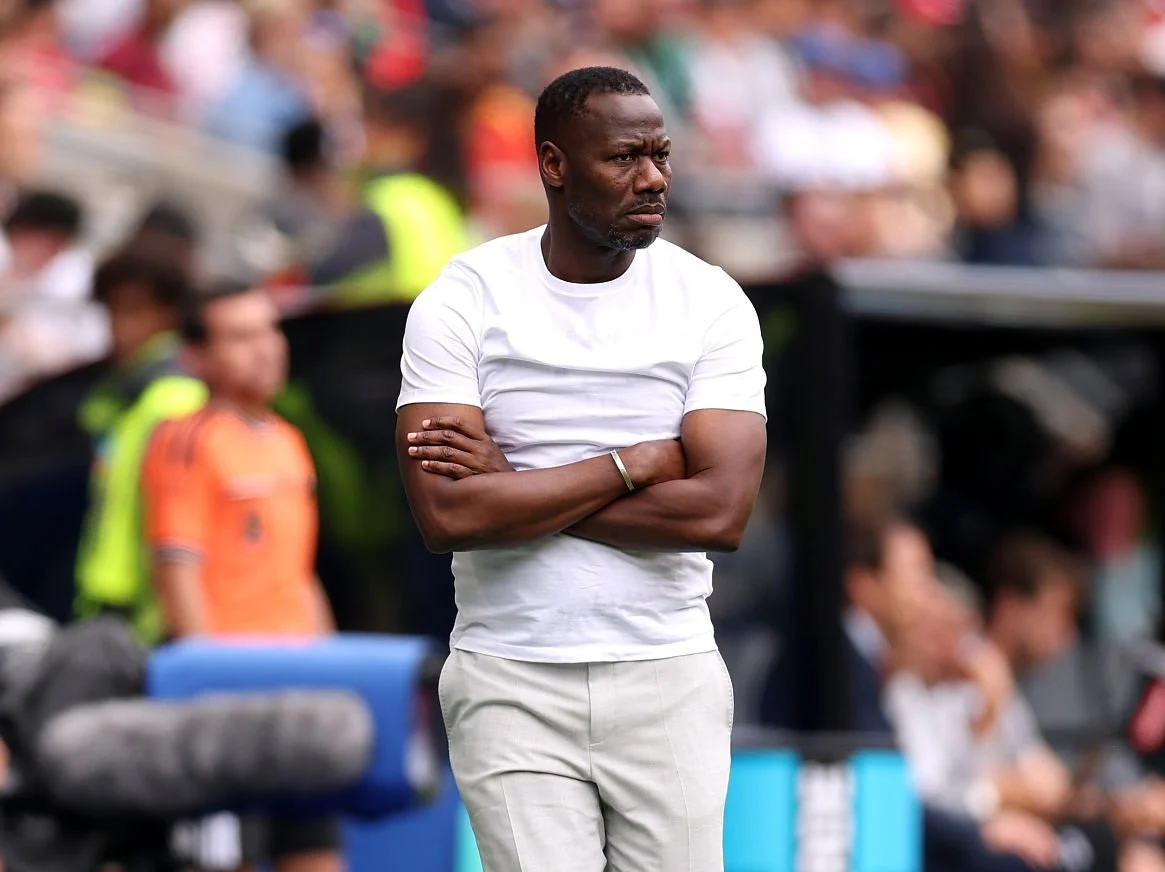
The turning point in the match came from the changes made by the coach while his team was completely controlling the game. By taking off, one after the other, his three players who structured the Senegalese play— Iliman Ndiaye, Habib Diarra, and Pape Gueye—Thiaw dismantled the backbone that had allowed his team to dominate the encounter. The substitution of Pape Gueye, in particular, surprised even the most forgiving observers, as the player seemed unjustly sacrificed.
Deprived of its usual midfield outlets, Senegal immediately lost control of the ball. Belgium took advantage by raising the tempo and drew level in just three minutes, between the 86th and 89th minutes. A collective collapse that Thiaw himself admitted after the match, conceding that his team had failed to manage its two-goal lead, while mentioning physical issues that motivated some decisions, notably the one to take off Pape Gueye. The latter, however, contradicted this in the mixed zone. “I felt fine physically. No one came to ask me if I was tired or not. As I said, it's the coach’s decision, you have to accept it .”
Sadio Mané kept on the pitch too long
Second sore point: the management of Sadio Mané. Clearly out of form and physically struggling against increasingly pressing Belgians, the Senegalese striker was only substituted late, during extra time. Keeping him on so long deprived Senegal of attacking freshness at a time when the team needed solutions to relieve a back line retreating under Belgian pressure, particularly from an increasingly dangerous Romelu Lukaku.
Hesitancy dating back to the whole group stage
This collapse against Belgium is not an isolated incident in Senegal’s campaign. It’s part of a World Cup marked by several controversial decisions from the coach.
Right from their opener against France, the Lions played a strong first half before collapsing after the interval, with Pape Thiaw himself acknowledging collective errors made after the break that allowed Les Bleus to turn the match around. Then, against Norway, another defeat (3-2) plunged Senegal into an unprecedented situation: two consecutive group-stage losses, never before seen since the national team's World Cup debut in 2002. The common thread between these two defeats: sticking with the same starting eleven, with Kalidou Koulibaly at fault for almost every goal conceded.
This string of poor results fueled growing criticism over squad management. Several voices pointed at the absence of certain players who are regulars with their clubs, judging it incomprehensible to do without one of Ligue 1’s best defenders. Other observers also sarcastically criticized the coach’s line-up choices during this chaotic group stage.
The reaction against Iraq (a 5-0 win) and then qualification snatched at the last moment for the round of 16 gave Thiaw some respite, who then repeated that a new tournament was beginning for his team. But the elimination against Belgium, after having completely controlled the match for over 80 minutes, immediately revives questions about his management in knockout games.
A record to assess
Crowned African champion after a win over Morocco in January 2026, Pape Thiaw had so far enjoyed a certain amount of credit from the public and the federation. But the accumulation of controversial decisions during this 2026 World Cup—poorly timed rotations, uncertain late-game management, questionable bench choices at key moments—is starting to seriously tarnish his record.
The coach will now have to explain an elimination that will stand as one of the most frustrating in Senegalese World Cup history: not a loss due to a lack of individual quality, but the direct result of tactical decisions that broke up a team otherwise in complete control of the match.
Join our sports community!
Follow us on social media to never miss real-time sports news.
À propos de l'auteur

Oumar WANE
Rédacteur sportif
Passionné de sport depuis toujours, partage avec vous les dernières actualités et analyses du monde sportif.