
CAF Wants Africa's Ambition Turned Into Results
After the showing of African teams at the 2026 World Cup, the Confederation of African Football (CAF) wants to take the next step. The challenge now is to strengthen structures, investment and training so that its 54 member associations can become more competitive and financially independent, with the 2030 World Cup in sight.
Rieltony LOUBOKO · Author profile ·
Listen to this story
Synthetic English voice · 3 min 29 s
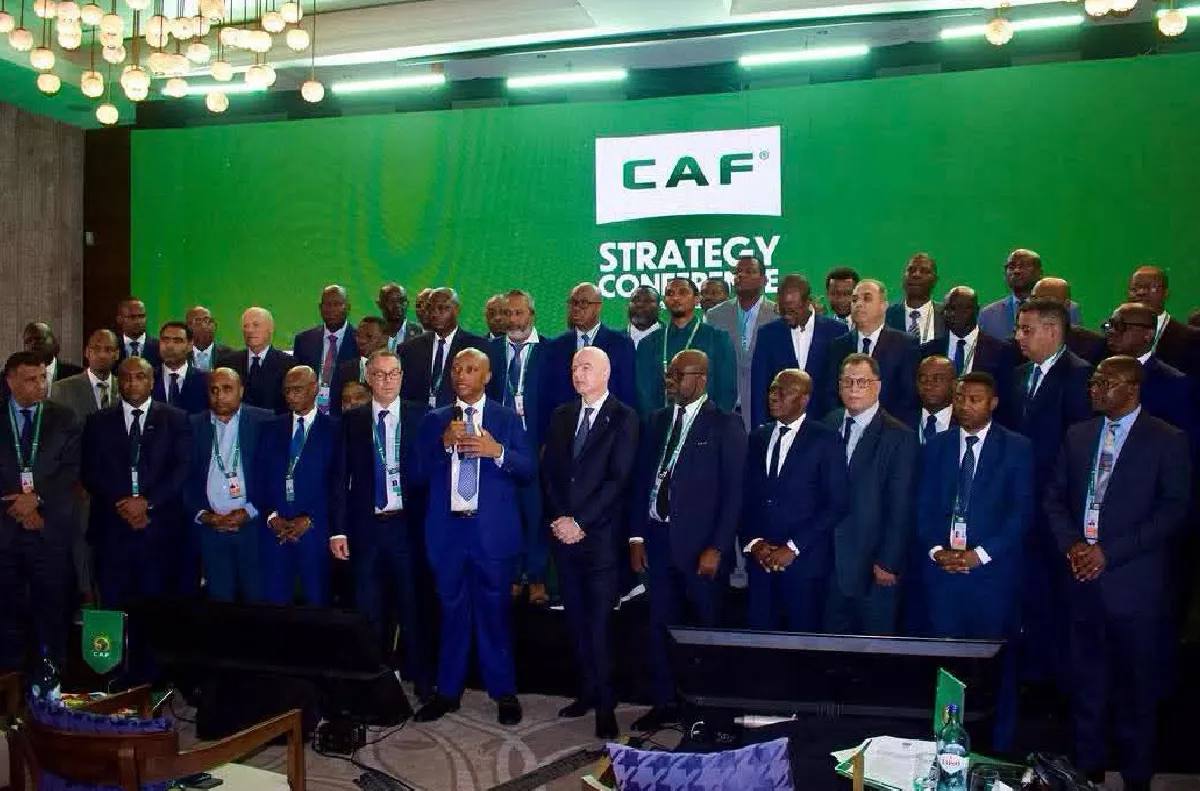
Meeting from 7 to 9 October in Santa Maria, on the island of Sal in Cape Verde, CAF officials, national team coaches and football experts took part in a strategic conference devoted to the development of African football. Discussions focused in particular on the lessons of the 2026 World Cup and on how to prepare more effectively for 2030.
Ten African teams took part in this World Cup, a record for the continent, and nine of them reached the knockout stage. These performances are a source of satisfaction, but they also raise the question of the resources African football needs to keep progressing.
CAF president Patrice Motsepe stressed the need to turn ambition into concrete achievements. "There is a big gap between good projects, good intentions and what we actually do in terms of investment and results. We are judged on our results," he told delegates at the conference.
To meet that challenge, several areas of development were discussed: increasing investment within member associations, coach education, developing youth training structures, improving governance and strengthening commercial and broadcasting partnerships. CAF also intends to keep improving its competitions and to make them more competitive on the international stage.
The stakes go beyond simply taking part in major tournaments. The aim is to create conditions more conducive to preparing national teams, nurturing emerging talent and structuring football in the continent's various countries.
Attending the conference, FIFA president Gianni Infantino welcomed the progress made by African teams. He underlined in particular the importance of continuing to invest in infrastructure and of creating more opportunities for the continent's talent. "The road to 2030 starts now," he said.
Technical matters also featured prominently in the discussions. Arsène Wenger, FIFA's Chief of Global Football Development, noted the progress African teams have made in their collective organisation, while stressing the importance of detail at the highest level. Tactical discipline, rigour and the handling of decisive moments can make the difference in matches where margins remain slim.
The task now is to turn these ambitions into measurable progress. Stronger structures, better training and the mobilisation of investment are key levers for consolidating African football's gains. Looking ahead to 2030, the challenge will be to turn the performances recorded into lasting competitiveness, capable of bringing an African side closer to the world title.
Source: official website of the Confederation of African Football (CAF).