
Remembering Issa Hayatou, a pillar of African football
Issa Hayatou, former president of the Confederation of African Football (CAF), died in Paris on Thursday 8 August 2024, aged 77
Sport News Africa · Author profile ·
Listen to this story
Audio version in preparation · read aloud by your browser meanwhile
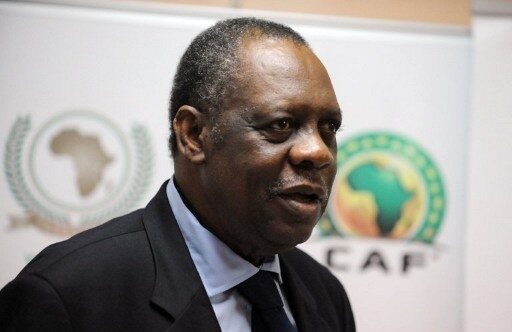
Few people know it, but Hayatou, born on 9 August 1946 in Garoua, Cameroon, was an athlete before moving into sports administration. His career began at the helm of the Cameroonian Football Federation from 1986 to 1988. His exceptional leadership then took him to the presidency of CAF, a post he held for almost three decades, from 1988 to 2017. That longevity was unmatched. His time in charge brought both glory and controversy.
Under his leadership, African football enjoyed unprecedented growth. Issa Hayatou played a key role in increasing Africa's World Cup places from 3 to 5, a coup against the FIFA heavyweights that significantly strengthened Africa's presence on the world stage and accelerated the development of the game on the continent. One of the high points of his presidency was the successful staging of the 2010 World Cup in South Africa, the first time the tournament had been held on African soil.
However, his handling of the crisis after the attack on the Togo team bus in Cabinda during the 2010 Africa Cup of Nations remains a dark stain on his record. On 8 January 2010, the bus carrying the Togo national team was attacked by Angolan separatists, leaving two people dead and several injured. Despite the tragedy, Issa Hayatou and the CAF executive committee decided to press on with the competition, a decision many criticised. Worse still, Togo were sanctioned for refusing to continue in the tournament, a decision that somewhat tarnished his image and raised questions about his crisis management. The same goes for his suspension from all football-related activity over the marketing contract signed with Lagardère, before he was cleared by the Court of Arbitration for Sport.
Outside CAF, Hayatou also served as acting FIFA president from 2015 to 2016, after Sepp Blatter was suspended amid the "Fifagate" corruption scandal. Although close to Blatter, Hayatou emerged unscathed from the allegations, preserving a reputation for integrity amid the turmoil.
In 2017, to general surprise, he was beaten in the CAF presidential election by Madagascar's Ahmad Ahmad, bringing an era to an end. Despite the controversies, Hayatou remained a staunch defender of African football, often at odds with FIFA over issues such as the Africa Cup of Nations calendar. His commitment to defending African football's interests against pressure from European clubs and UEFA is widely recognised, especially since his time in office, given the many changes the Cup of Nations has undergone.
Issa Hayatou, weakened by kidney problems in recent years, had withdrawn from public life after his operation. His contributions to the development of African football will be long remembered, and his legacy will continue to inspire future generations.