
Congo - 'Watch the river': the real message, according to a communications expert
A communications expert spoke to Sport News Africa to explain the Congolese expression "watch the river".
Sport News Africa · Author profile ·
Listen to this story
Audio version in preparation · read aloud by your browser meanwhile
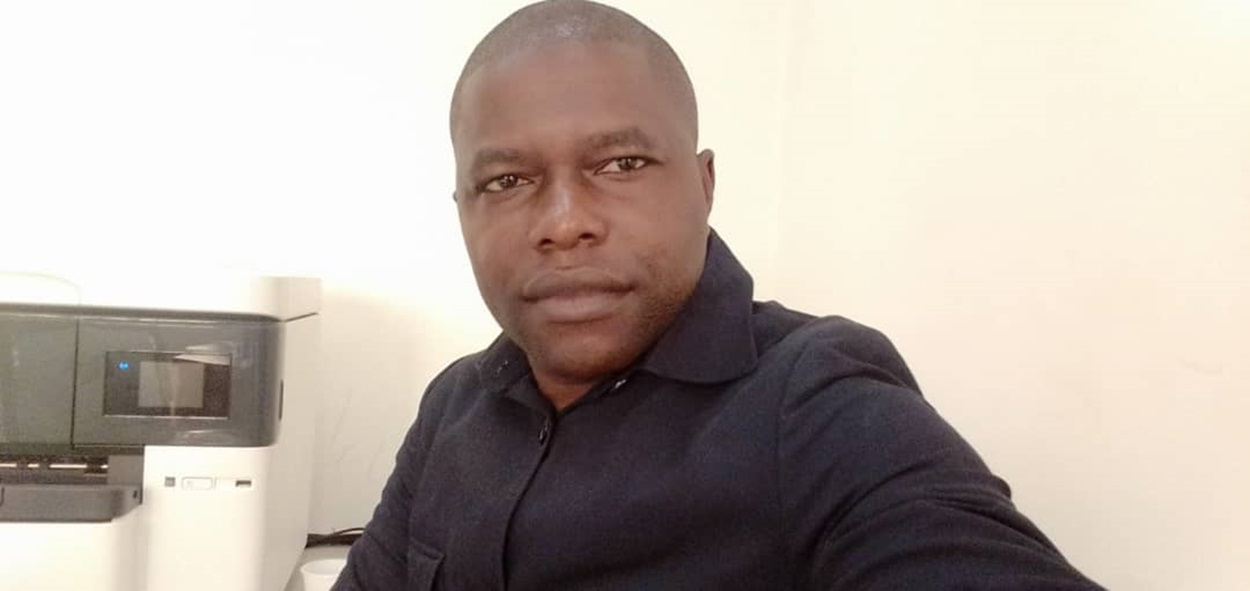
As a neighbour of DR Congo, what is your reaction to the Leopards reaching the quarter-finals of the AFCON?
It's a deserved qualification. The Leopards shone with their football and showed real mental strength. It's a performance worth praising.
On the eve of the AFCON, internet users in DRC advised the people of Brazzaville to "keep watch" over the river while they were away at the AFCON.
You find this kind of situation in many societies around the world. Neighbours, and even blood brothers, wind each other up and sometimes fall out. The two Congos are no exception. Our history is shaped by that kind of atmosphere. In both Congos, grandsons and grandfathers are expected to tease each other. But deep down, they love each other. The best gifts always go from grandparents to grandchildren and vice versa. It's the same between the Serer and the Fulani in Senegal. They see each other as cousins and tease each other very often.
The two peoples who share the majestic Congo River are used to this banter. But what is so special about it that it featured as a question in an exam at the Faculty of Sciences? And even political figures, including MPs, bring it up when talking to the public.
It shouldn't be surprising that a news event or topic becomes an exam question; it simply shows that teachers are keeping an eye on current affairs. The more interesting point would be whether the exam topic matches the course content. I think only the author of the expression can answer that question precisely. However, it can be understood in several ways.
Read more on the same subject: AFCON 2023: lessons from the round of 16
It can be understood in several ways. But in concrete terms, what can we take from it?
Historically, both Congos are major football nations, so it is time they got back to the top. DR Congo have already won the AFCON twice (1968 and 1974). With 19 appearances in 34 editions, the country shows remarkable consistency! This African giant also has two CHAN titles in its trophy cabinet (2009 and 2016). As for Congo-Brazzaville, they have one AFCON (1972), one Champions League (1974) and one CAF Cup (2012). So, through this banter, you can hear a call to restore pride and fight to win, or win back, African football's top prizes.
For me it's also an environmental warning (forgive the digression, laughs). By coincidence, the message came after a series of floods on both banks of the Congo River. To this day, people are still mourning victims and dealing with material damage. So in future, we need to monitor water levels and identify suitable areas for housing to prevent disasters. I am also thinking of environmental disasters and every form of pollution likely to destroy or threaten the river Congo's ecosystem. Irony aside, this river watch should prompt politicians to consider the resources devoted to such a mission. Looked at another way, watching over the river is a noble mission, because watching it means watching over life and trade. The river feeds many families on both banks.
Do you want your neighbours to win a third AFCON?
Yes! Anything is possible now. This AFCON has already upset plenty of predictions, even among the favourites. We are watching the river. But they must bring the trophy back to us. That is everyone's wish now. You should have seen the euphoria among the people of Brazzaville when the Leopards reached the quarter-finals. So if DR Congo come back with the trophy, perhaps we will look after football better on both banks of the river.
Interview by John Ndinga-Ngoma