
2024 Paralympics: Africa at a crossroads
For Africa, the Paralympic Games stand as a symbol of inclusion and a chance to gauge how far there is still to go
Sport News Africa · Author profile ·
Listen to this story
Audio version in preparation · read aloud by your browser meanwhile
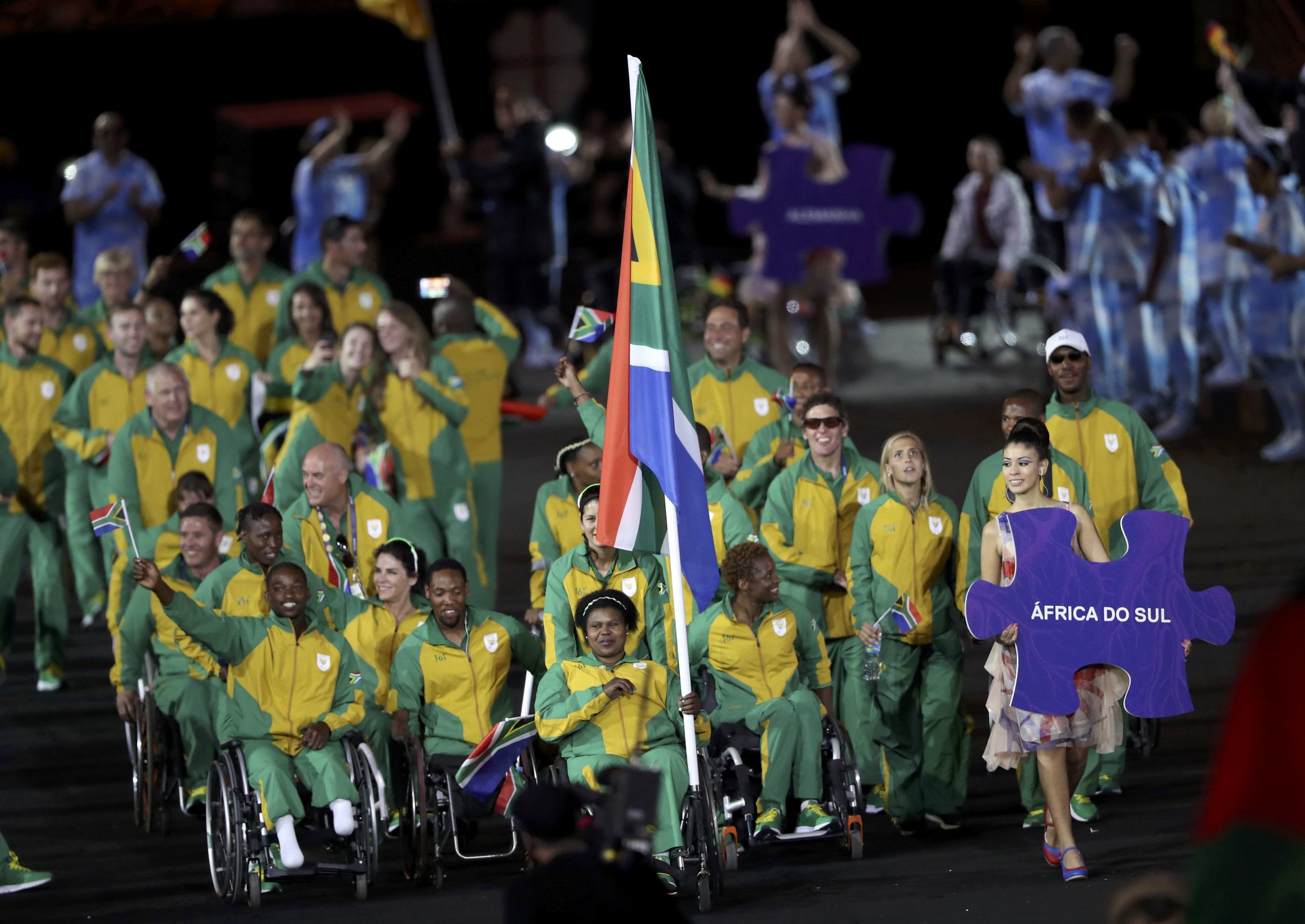
44 countries represented and a total of 314 athletes: that is the African contingent in Paris for the 2024 Paralympic Games, whose opening ceremony takes place on 28 August. The figure is three times lower than the nearly 1000 African athletes who were in the French capital a few weeks earlier, and down on Tokyo 2021. The numbers highlight the work still to be done by the continent's governments when it comes to disability sport, as well as the considerable challenges facing African para-athletes.
A symbol of hope, but a path strewn with obstacles
For the vast majority of African para-athletes, simply taking part in the Paralympic Games is an achievement in itself, a symbol of hope and resilience. These athletes often have to overcome obstacles that go well beyond sporting competition. A lack of suitable facilities, inadequate funding and little institutional backing all hold back the development of their performances.
Limited access to specialist equipment, a lack of suitable training for coaches and insufficient social recognition for people with disabilities are all factors holding back the growth of Paralympic sport in Africa. These difficulties are made worse by limited media coverage, which dampens public enthusiasm and sponsor support. In countries where physical disability often carries significant social consequences, being a para-athlete means facing an uphill battle.
Read more on the subject: Ghana: African Para Games under threat
But despite these challenges, there are some bright spots and the African continent is starting to show greater ambition. Several countries, such as Tunisia, South Africa and Kenya, are investing more in Paralympic sport, aware of the importance of backing athletes who proudly carry their nation's colours on the world stage. The Tunisian government and various local sports organisations, for example, have invested in specific programmes for Paralympic athletes, with adapted facilities and increased financial support.
South Africa has taken the same route with initiatives such as the Sasol Winter Games, a multi-sport event for athletes with disabilities, which helps to develop Paralympic sport. But despite these efforts, there is still plenty to do to close the gap on the most advanced nations in this field, notably in terms of funding and awareness.
A marked decline for the continent at the Paralympics
As a consequence of this lack of funding, the trend in African performances at the Paralympic Games is, to say the least, worrying. In 16 years, the number of medals won by African athletes has been cut by half: from 120 medals in Athens in 2004 to just 63 in Tokyo in 2020 (with 117 in Beijing 2008, 112 in London 2012 and 99 in Rio 2016). This decline raises questions about the underlying reasons for the slump.
The regression can be explained by many factors, starting with intensifying international competition, with many countries having significantly increased their investment in Paralympic sport. That has raised the overall standard of the competition, to the detriment of the nations that are financially worse off and invest the least in Paralympic sport. As a result, African countries, faced with economic and institutional constraints, are struggling to keep pace.
Changes to sport classes and classification criteria have also played a part. These technical adjustments, although justified by a drive for fairness, can sometimes put African athletes at a disadvantage, as their training and preparation programmes are less sophisticated than those of their rivals, as is some of their training and competition equipment, which is far less cutting-edge because of the costs involved.
National and continental strategies to adopt
Another factor to consider: the fall in the number of African para-athletes qualifying for the Games is a direct consequence of the lack of suitable sports facilities on the continent. This shortfall prevents many potential talents from emerging and preparing effectively for these global events.
All of these points make the Paris 2024 Paralympic Games a crucial turning point for African Paralympic sport, given the enormous challenges that remain. While the Paralympics bring Africa more medals than the Olympic Games do, the decline in African performances in recent years is a warning sign that calls for a rethink of national and continental strategies for supporting para-athletes. As Paris hosts these Games, the 305 African athletes will carry a message of hope and perseverance, determined to take their continent to the top of world Paralympic sport.