
The vuvuzela: the horn that haunted the 2010 World Cup
The vuvuzela: the horn that haunted the 2010 World Cup
Sport News Africa · Author profile ·
Listen to this story
Audio version in preparation · read aloud by your browser meanwhile
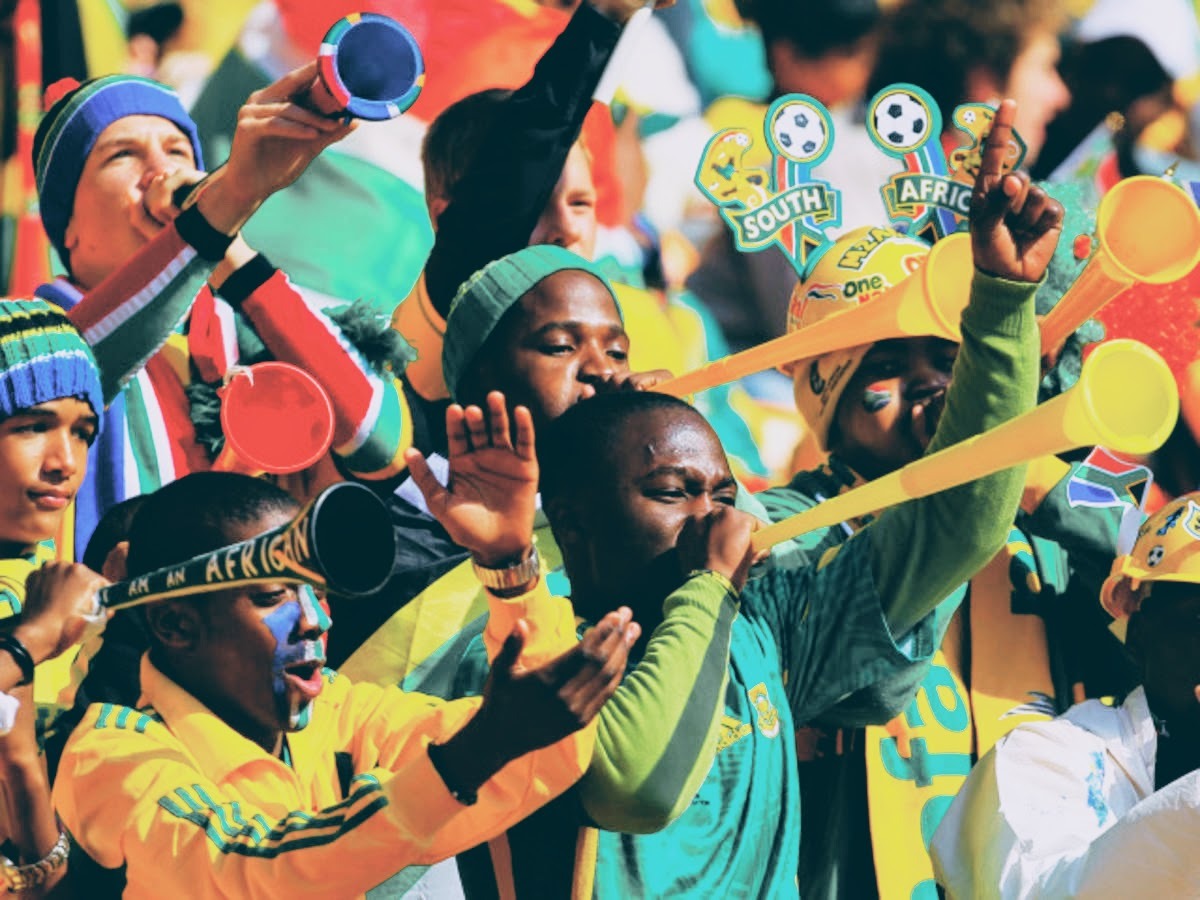
In 2010, South Africa hosted the football World Cup, a first for the African continent. It was a chance for South Africans to showcase their organisational know-how, to celebrate African culture and, above all, to show off the vuvuzela. This is a plastic horn, typically South African, which is used to create atmosphere at the country's football league matches.
Lionel Messi's complaints
Twelve years on from that deafening tournament, the world still remembers the famous horn that stole the limelight from the competition's biggest stars, right from the opening match. The incessant drone of the vuvuzelas during the World Cup games drew a host of criticism around the world. If the sound of the instrument was very unpleasant for those following the 2010 World Cup on television, what must it have been like for the people actually on the pitch?
The sound of the instrument is comparable to a police siren or a car horn. A single vuvuzela, properly played, can reach up to 130 decibels. So when thousands of people start blowing them at the same time, in the same space and for a prolonged period, the noise very quickly becomes a nightmare.
According to Argentina's Lionel Messi, the players could not hear one another on the pitch and could only communicate with gestures. Even the referees' whistles were drowned out by the din of these horns.
"Communication is part of football too. It was absolutely impossible to say anything to a team-mate", the Albiceleste forward complained after the Argentina-Nigeria match.
Vuvuzelas all the way!
Very easy to get hold of, the vuvuzela quickly became the instrument of terror at the 2010 World Cup. Television channels faced a genuine nightmare as the vuvuzelas drowned out the commentators' voices. To tackle the deafening racket, there was a wave of protests from the media, players and coaches, along with Facebook petitions and even complaints from viewers.
Unfortunately for them, the vuvuzelas kept up their cacophony right through to the World Cup final. The then FIFA president, Sepp Blater, had pledged to blow a vuvuzela to show his support for the emblematic accessory of Bafana Bafana.
According to the newspaper Les Echos, some European broadcasters eventually turned to companies that installed filtering systems for them, to dampen the vuvuzela noise while preserving the atmosphere. For the sake of supporters' ears, earplugs were also put on sale in Cape Town.
History did not repeat itself: the vuvuzela was banned at the 2014 World Cup in Brazil for security reasons. Despite its unpleasant sound, it is still used today in several African countries to liven up football matches.
Also read: When Niger "played" in the World Cup