
Champions League: what exactly is the new format?
The UEFA Champions League returns for the 2024-2025 season with its much-talked-about new format. Here is how it works.
Sport News Africa · Author profile ·
Listen to this story
Audio version in preparation · read aloud by your browser meanwhile
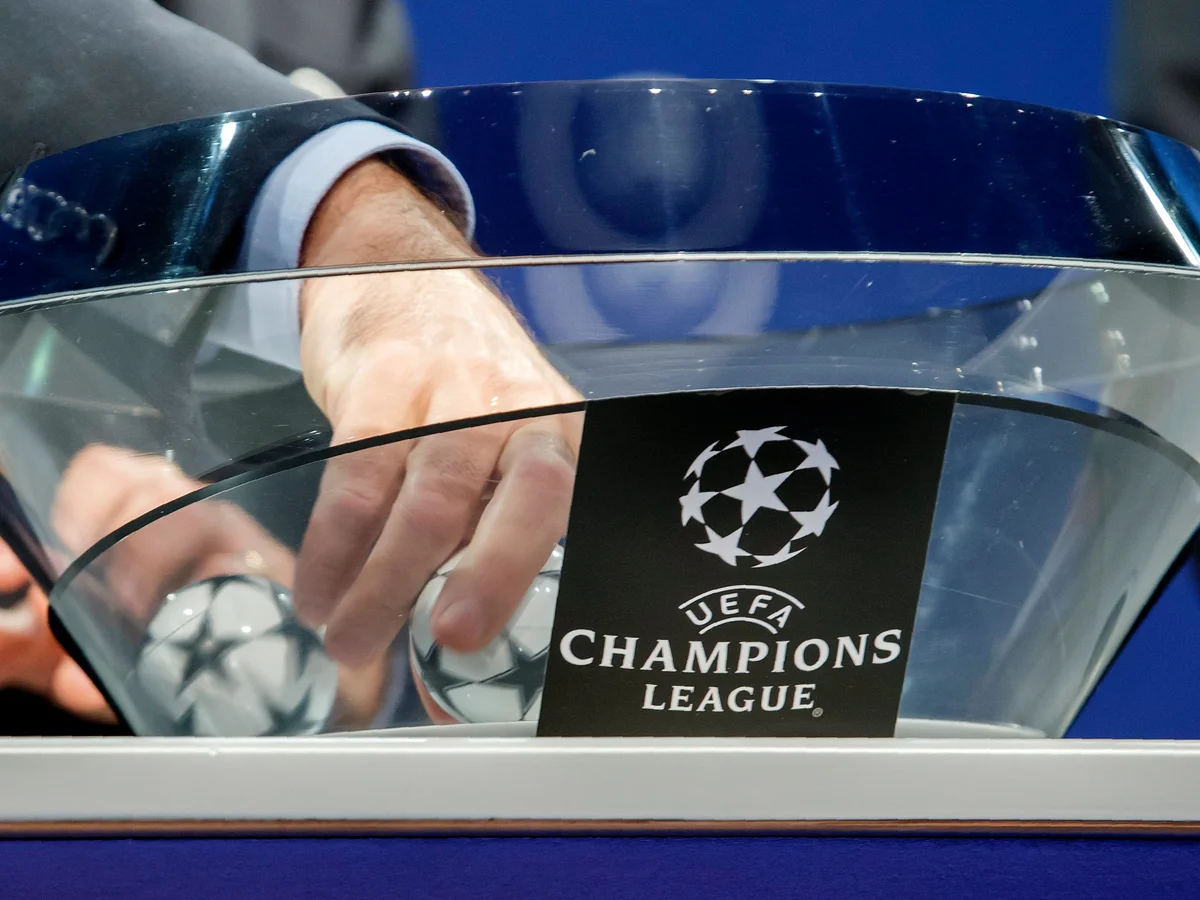
The UEFA Champions League has been back since 17 September, much to the delight of football fans, with its new format for the 2024-2025 season, inspired by the Swiss system. It is a competition format used mainly in chess, but also adapted to other sports and events.
Unlike the traditional group or straight knockout systems, it lets participants face different opponents in each round, while trying to balance the fixtures so that teams of a similar level meet. All of this takes place with every side ranked in a single table.
But for part of the general public, the new Champions League format is still unclear, with many not understanding how the draw for opponents was made and, above all, how the group stage works. So, how will this edition unfold?
How the competition works
1. Single league phase
- Number of teams: 36 teams take part in this phase of the Champions League, compared with 32 in the old format.
- Matches: each team plays 8 matches against 8 different opponents (4 at home and 4 away), chosen according to their UEFA ranking.
- Overall standings: after these 8 matches, the teams are ranked in a single league table, based on the points they have accumulated.
Read more on the subject: Battle over TV rights in Africa: Canal+ and New World TV face piracy risk
2. Qualification for the knockout phase
- Direct qualification: the top 8 teams in the table at the end of the single league phase go straight through to the round of 16 of the Champions League.
- Play-offs: the teams ranked 9th to 24th take part in a play-off round (two-legged ties) to decide the 8 other teams that will join the round of 16.
- Elimination: teams finishing below 24th place are knocked out of the Champions League.
3. Knockout phase
- Qualifiers: the teams ranked 9th to 24th play a play-off round (two legs) to join the 8 sides already into the round of 16 of the Champions League.
- Round of 16: the 16 remaining teams face each other in a traditional knockout format (two-legged tie).
- Quarter-finals, semi-finals and final: no change at this stage. These remain two-legged ties for the quarter-finals and semi-finals, and a single final at a neutral venue.
The aims of the new format
More matches: each team plays at least 8 matches, which increases the total number of games in the competition.
Varied opposition: teams meet opponents of different levels, which makes the competition more unpredictable and interesting.
A fairer competition: the Swiss system is meant to balance the competition by letting each team face opponents of a similar level, while also heightening the suspense throughout the league phase.
More suspense: the single table right to the end of the league phase adds stakes to every match, even for clubs that would have been eliminated early under the old group format.
Key dates and calendar
The calendar remains similar, with the league phase running from September to December, then the knockout phases from February, and the final in May.
The new Champions League format is also part of UEFA's efforts to strengthen the Champions League against rival projects such as the Super League, which sparked debate and divided the football world.
The new format aims to offer more spectacle and sustain interest in the competition throughout the league phase. It could also influence how broadcasting rights are handled, particularly in Africa.