
 Portland Trail Blazers
Portland must make their first attack count
Morant arrives, Lillard returns and Avdija must keep his place in creation. Portland wants a more reliable attack without losing its rebounding strength. The keys to the 2026–2027 season.
Listen to this story
Synthetic English voice · 9 min 13 s
Portland knows how to recover a missed shot. Now it must learn to lean less on that second chance. After returning to the playoffs, the team hands Micah Nori a group in which Ja Morant joins Damian Lillard, back on the court, and Deni Avdija. Sharing the ball among them without weakening the defence will be the first job of the 2026–2027 season.
A playoff return that leaves an attack to rebuild
With 42 wins and 40 losses in the 2025–2026 regular season, the Trail Blazers finished with a winning record and returned to the playoffs after four seasons away. Their run ended in the first round. That gives the new staff a foundation, but it does not erase the difficulty of producing a consistent attack.
Portland scored 115.5 points and conceded 115.8 per game last season. Its offensive efficiency, measured per possession, ranked only 21st. A points total also depends on tempo and extra shooting opportunities. The Blazers lived heavily off the offensive rebound; they must become more reliable on their first attempt.
Nori takes charge of the team after serving as an assistant, notably in Minnesota. His job is first to organise responsibilities that could overlap. Giving each creator a place does not mean reserving the same possessions for him every game. The combinations able to start, restart and finish a game may differ.
per game · 2025–26
per game · 2025–26
Morant changes the responsibilities, Lillard returns to the court
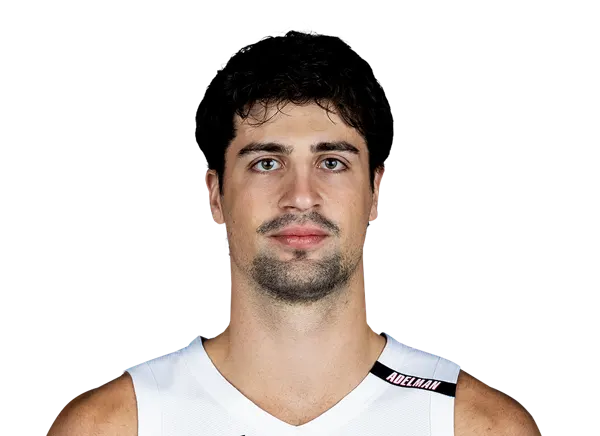
Ja Morant arrived from Memphis in a trade that sent out Jerami Grant and Kris Murray. He gives Portland an additional creator able to put the defence under pressure with his bursts of acceleration. Branden Carlson and Micah Potter strengthen the interior options. Jeremy Sochan is also in the group, with a rotation place still to be earned.
Lillard's case is different: his return to Portland dates from the summer of 2025, but he did not play in 2025–2026, a season devoted to rehabilitating his Achilles tendon. He has now resumed in the preseason, notably against Golden State and Sacramento. This return to competition opens a new chapter in his second spell in Portland; his rhythm over a full season remains to be rebuilt.
Jrue Holiday was also already on the roster last season. His presence gives Nori another option to run the offence and defend on the perimeter. Conversely, the absence of Shaedon Sharpe narrows the possibilities: injured in the meniscus of his right knee in August, he remains unavailable, with no return date established.
- →Ja MorantTrade with Memphis · June 2026
- →Branden CarlsonJuly 2026 arrival
- →Micah PotterPicked up off waivers · July 2026
- →Jeremy SochanStill on the roster at the end of camp · spot to be won
- →John TonjeTwo-way contract · July 2026
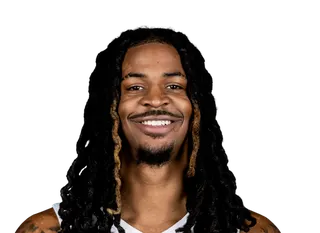
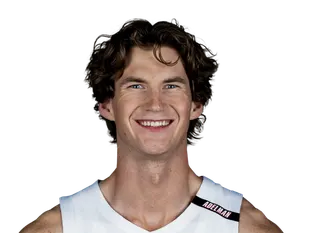
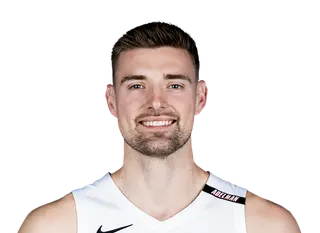
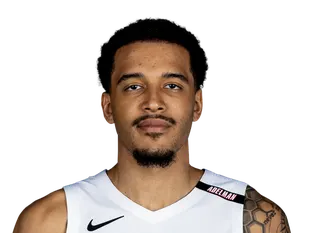
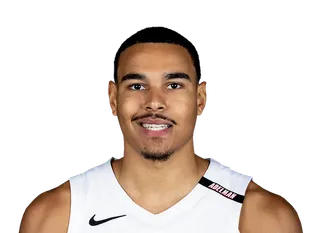
- ←Jerami Grant · Memphis, in the Morant trade
- ←Kris Murray · Memphis, in the same trade
- ←Jaylen Martin and Caleb Houstan · waived in October
Avdija must keep a creator's role
Deni Avdija
Deni Avdija moved up a level in 2025–2026, with 24.2 points per game against 16.9 the previous season. He finished third in the voting for Most Improved Player. His importance is not limited to that scoring volume: Portland entrusted him with a large share of its offensive organisation.
The arrival of Morant and Lillard's return pose a precise question: how can Avdija keep creating when the ball goes through the guards more? One option would be to give him catches on the move and let him attack a defence that is already shifted. Another would be to stagger playing time to preserve sequences in which he runs the offence. These are editorial ideas about distribution, not choices officially announced by Nori.
Toumani Camara will be another point of support. His 106 charges drawn in the 2025–2026 regular season illustrate his defensive activity. That statistic does not capture all of his defence, but it gives a concrete example of what he brings to a group that will have to protect its creators and limit opposing drives.
2025–26 regular season. The offensive pairings described remain editorial suggestions.
points per game
points per game
One possible starting five, several ways to close games
Our starting projection pairs Lillard, Morant, Camara, Avdija and Donovan Clingan. It remains conditional and is not an official line-up for the opener. It gives two perimeter creators, two forwards able to fill several roles and a centre tasked with protecting the rim and chasing missed shots.
Holiday and Scoot Henderson are the first backcourt reliefs envisaged. Their usefulness will depend on how Nori shares possessions between starters and bench. Vít Krejčí and Sidy Cissoko can offer other combinations on the perimeter. Robert Williams III brings an interior option, while Yang Hansen, Carlson and Potter widen the choices at centre. Sochan can come into some more mobile units, subject to his actual place in the retained group.
The closing five may follow a different logic from the starting one. It will then be necessary to choose between more creation, more size or more defence on the ball handler. Portland will not settle that question by adding up the best-known names: the spacing between players and their ability to defend together will count too.
Possible bench replacements
- Jrue Holiday
- Scoot Henderson
- Vít Krejčí
- Sidy Cissoko
- Robert Williams III
- Yang Hansen
- Branden Carlson
- Micah Potter
- Jeremy Sochan
Editorial projection. Starting and closing line-ups may call for different pairings; Sochan's place not guaranteed. Sharpe excluded from the starting rotation.
The squad as of 17 October
The group listed on that date has 18 players. The roles below are meant to help read the possible combinations; they do not fix the positions of versatile players. This end-of-camp list guarantees neither a permanent contract for everyone nor playing time in the rotation.
18 players, grouped by role
| Player | Status | Pts |
|---|---|---|
| Point guards and guards | ||
| Damian Lillard | – | |
| Scoot Henderson | – | |
| Ja Morant | – | |
| Chris Youngblood | Two-wayAvailability to be monitored | – |
| Jrue Holiday | – | |
| John Tonje | Two-way | – |
| Shaedon Sharpe | Unavailable | – |
| Forwards and utility players | ||
| Jayson Kent | Two-way | – |
| Deni Avdija | 24.2 | |
| Jeremy Sochan | Place up for grabs | – |
| Vít Krejčí | – | |
| Toumani Camara | – | |
| Sidy Cissoko | – | |
| Centres and big men | ||
| Micah Potter | – | |
| Branden Carlson | – | |
| Yang Hansen | – | |
| Donovan Clingan | – | |
| Robert Williams III | – | |
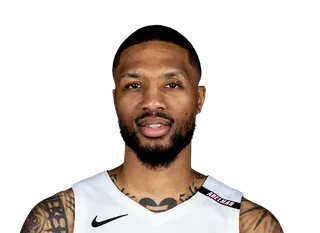
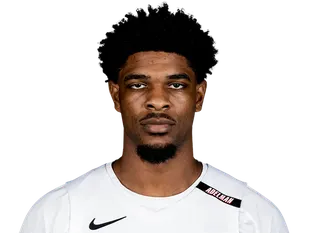
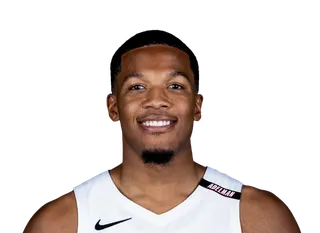
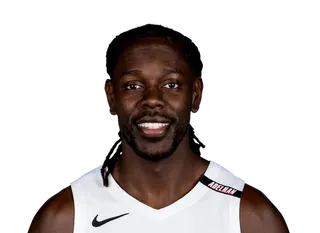
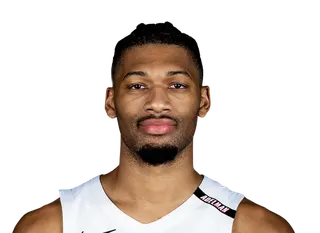
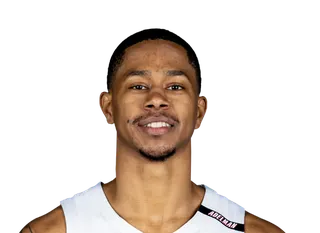
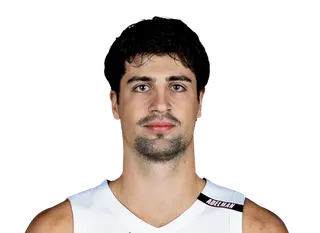

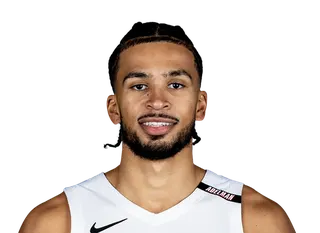
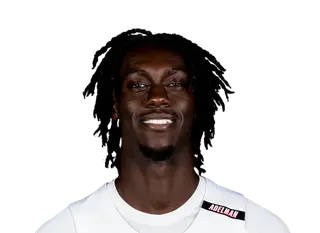
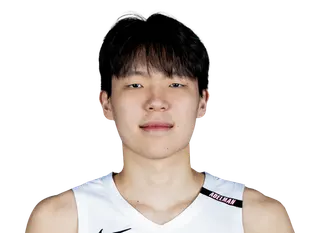
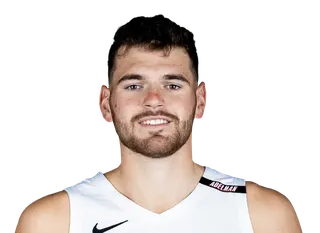
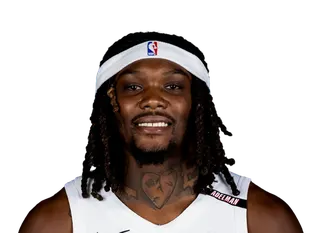
Avdija's points: regular-season 2025–2026 per-game average. "–" = value not included here. Groups are by role, not exclusive positions. Being present at the end of camp guarantees neither a permanent contract nor a place in the rotation.
Kent, Tonje and Youngblood are on two-way contracts, which allow the season to be split between the NBA and the G League. Youngblood is one to watch after a left calf problem that kept him out of three preseason games. Sharpe is kept on the roster but excluded from our starting rotation because of his unavailability. Jaylen Martin, cut on 6 October, and Caleb Houstan, cut on 16 October, are not in this group. Sochan's presence does not mean his rotation place is secured.
Rebounding is a strength, turnovers a limit
The Blazers scored 18.4 points per game on second chances in 2025–2026. Clingan and Robert Williams III grabbed 14.9% and 13.3% respectively of the available offensive rebounds while on the court. They ranked second and seventh among the 305 players who played at least 40 games at an average of 15 minutes or more. That percentage describes how often rebounds are recovered, not shooting accuracy.
This resource offset some of the difficulties of the first attempt, but the 16.9 turnovers per 100 possessions, the highest total in the league, also held Portland back. Morant and Lillard must help create cleaner looks. Their presence will, however, have to cut down on wasted possessions rather than merely add dribbling options.
The mechanism to watch is simple: a first drive must produce a good shot or a pass that keeps the advantage. If it ends in a turnover, Clingan has no rebound to chase. If too many players stay near the rim, access to the basket and passing become harder. Outside shooting and defensive transition will have to go hand in hand with the offensive rebounding.
Two resources for available offensive rebounds
Percentage of available offensive rebounds secured while on the floor, regular season 2025–2026. Ranking among 305 players: at least 40 games and 15 minutes per game. Neither shooting accuracy nor share of the team's total rebounds.
The strengths
- 18.4 second-chance points per game in 2025–2026.
- Several creators to spread the responsibilities.
- Camara and the centres to support the defence.
The issues to resolve
- 16.9 turnovers per 100 possessions in 2025–2026.
- Share the ball without removing all initiative from Avdija.
- Protect the spacing and the defensive recovery.
Turning qualification into continuity
Returning to the playoffs is the logical ambition after last season. To go further in the West, Portland will have to build an attack that holds up when the opponent shuts down the first options. Lillard's lasting return to form, Morant's integration and Avdija's place in creation will be more telling than preseason results alone.
Nori's success will also be measured in the stretches when the main creators are not playing together. If Holiday and Henderson can run balanced units, the bench can extend the starters' work. If every substitution forces a restart from zero, the abundance of guards will become a problem to manage. The margin exists, but it demands understood roles and repeated combinations.
Keep the second chance, convert the first attack more often.
Getting back to the playoffs will depend on lasting partnerships, better-distributed creation and fewer wasted possessions.
Opener: Phoenix at the Moda Center
Portland host Phoenix on Wednesday 21 October at 22:00 US Eastern time, which is 3:00 on Thursday 22 October in Brazzaville. This first regular-season game will show how responsibilities are initially shared against the Suns.
Find the Phoenix–Portland match page, the Trail Blazers' squad and fixtures and the NBA calendar on SNA. The projections in this guide remain to be checked against availability and the choices announced before each game.

Thursday 22 October 2026 at 03:00 Brazzaville time · match centre
- The team’s live schedule appears here.
Countdown to tip-off.