
 Toronto Raptors
Toronto: Kawhi to extend the attack
Toronto are reunited with Kawhi Leonard and face a specific question: how do they keep their running game while becoming more reliable when the defence has time to set? The Raptors come off a 46-win season and a first-round exit. Their new wing must add an answer in the difficult possessions, without erasing Scottie Barnes' central role.
Listen to this story
Synthetic English voice · 7 min 40 s
Toronto are reunited with Kawhi Leonard and face a specific question: how do they keep their running game while becoming more reliable when the defence has time to set? The Raptors come off a 46-win season and a first-round exit. Their new wing must add an answer in the difficult possessions, without erasing Scottie Barnes' central role.
A defensive base, a step still to take
Fifth in the East with a 46–36 record in 2025–2026, Toronto returned to the playoffs before falling to Cleveland. Darko Rajaković's team built part of its progress on defence and fast breaks. That foundation remains valuable: winning the ball and pushing before the opposition gets back allows a team to create shots without having to set up a system on every possession.
The spring also underlined the importance of attacks that do not start in transition. When an opponent protects the rim and forces a long possession, a team needs to keep several threats alive until the final seconds. Toronto must therefore enrich their game without slowing down every possession. The aim is not to choose between running and playing in the half court, but to make both options credible in the same game.
Leonard returns, responsibilities are redistributed
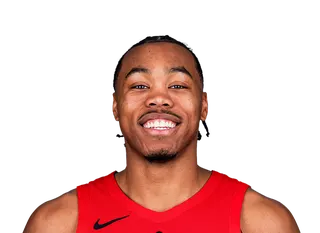
Kawhi Leonard's return comes with the departures of Brandon Ingram and Gradey Dick in the trade with the Clippers. Kyle Anderson also arrives, as do Allen Graves and Jaden Bradley among the younger players. Sandro Mamukelashvili and Jonathan Mogbo are no longer in the squad. The moves change the possibilities on the wings and in secondary creation.
Leonard can take a difficult possession, but he must not become the only outlet after a first action breaks down. Barnes must continue to organise and Immanuel Quickley to set the tempo. The coach's job will be to decide when to let the wing attack his one-on-one and when to use the attention he draws to open up the other side of the court. It is a partnership to be built, not a simple replacement of points.
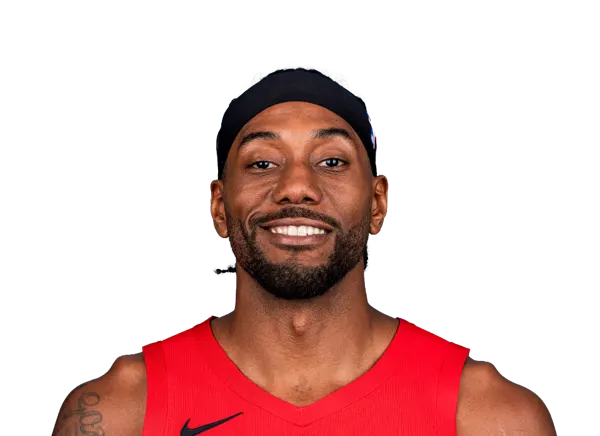
- →Kawhi Leonard2026 arrival · see context in the story
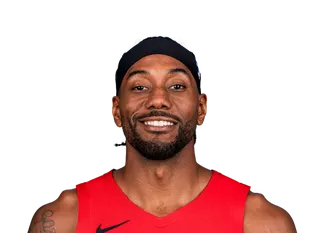
- →Kyle Anderson2026 arrival · see context in the story
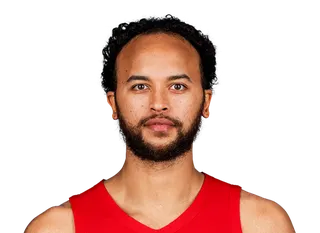
- →Allen Graves2026 arrival · see context in the story
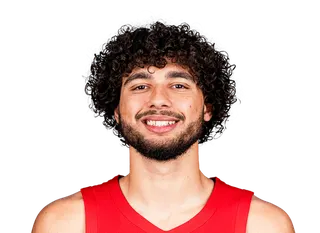
- →Jaden Bradley2026 arrival · see context in the story
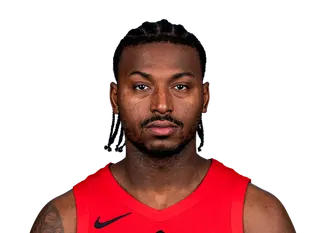
- ←Brandon Ingram
- ←Gradey Dick
- ←Sandro Mamukelashvili
- ←Jonathan Mogbo
Kawhi, an answer when the first action fails
Leonard comes off a 2025–2026 regular season in which he averaged 27.9 points for the Clippers, in 65 games. That figure describes his previous output, not what he will necessarily have to reproduce in Toronto. His value can also be read in the possessions he simplifies: a shot created after a defensive switch, a well-placed catch or an opposing help defender that frees a team-mate.
Alongside him, Barnes keeps an essential connecting role. His averages of 18.1 points, 7.5 rebounds and 5.9 assists in 2025–2026 show the breadth of his activity. Having him wait for a pass from Leonard would reduce that resource. Toronto can instead use several creation points, with cuts from Barrett and screens from Poeltl to avoid an offence that stalls around a single duel.
Historical benchmarks kept separate from role projections.
Two outputs to combine
Regular-season points per game in 2025–2026: Leonard with the Clippers, Barnes with Toronto. A comparison of individual careers, not a sum or a forecast.
A readable five, back-ups to organise
Our conditional projection pairs Quickley, RJ Barrett, Leonard, Barnes and Jakob Poeltl. It points to a possible balance if the squad is fully available, without announcing the official opening line-up. Barnes can move between creating and finishing, while Poeltl provides a presence near the rim and a screening partner. The value of the five will depend on the speed of decisions after the first help.
Jamal Shead, Ja’Kobe Walter, Collin Murray-Boyles and Anderson offer different functions off the bench. Murray-Boyles can raise the energy and the possibilities for inside pairings; Shead can maintain order at point guard. Trayce Jackson-Davis and the other end-of-camp players complete the options. Nate Bittle remains one to watch at the 18 October cut-off and is not in our immediately projected bench.
Possible fill-ins, subject to availability
Conditional editorial projection as of 18 October 2026. The text sets out the caveats and alternatives; no official line-up is announced by this graphic.
The squad as of 18 October 2026
The table lists the 16 players on the official roster shown on 18 October 2026. The roles are reading aids and do not define exclusive positions. This end-of-camp snapshot may change: it is neither a definitive pecking order nor a guarantee of playing in the first game.
16 players, grouped by role
| Player | Status | Key |
|---|---|---|
| Point guards and guards | ||
| Jamal Shead | – | |
| Immanuel Quickley | – | |
| Jaden Bradley | – | |
| Ja'Kobe Walter | – | |
| Malachi Smith | – | |
| Alijah Martin | – | |
| Forwards and versatile players | ||
| Kawhi Leonard | – | |
| Scottie Barnes | – | |
| RJ Barrett | – | |
| Kyle Anderson | – | |
| Allen Graves | – | |
| Collin Murray-Boyles | – | |
| Jamison Battle | – | |
| Centres and big men | ||
| Jakob Poeltl | – | |
| Trayce Jackson-Davis | – | |
| Nate Bittle | To watch | – |
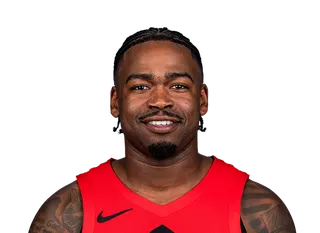
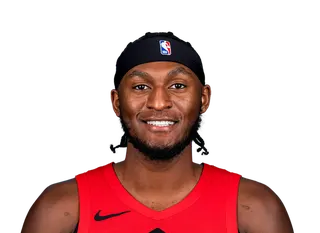
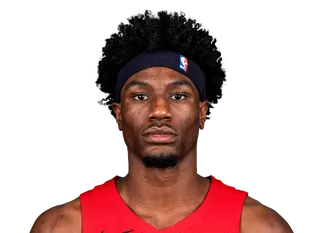
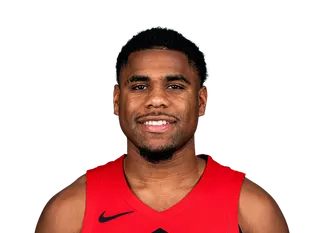
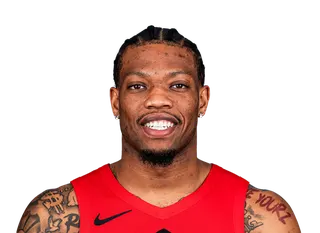
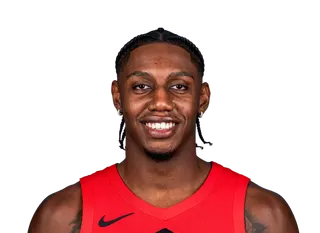
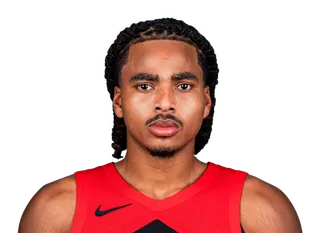
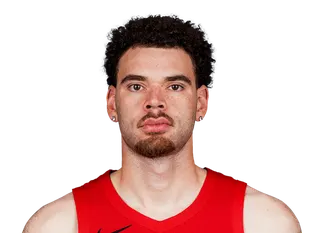
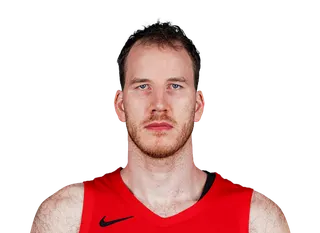
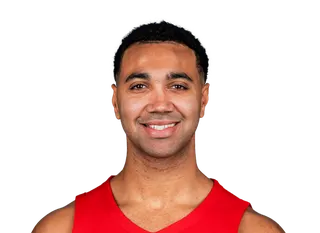
End-of-camp snapshot, as of 18 October 2026. Roles are not exclusive. "–": no statistic included in this table; not a zero value. The text distinguishes availability from place in the rotation.
Bittle is listed as one to watch at this date. The other players remain subject to availability decisions taken before each game. The minutes of rookies and fringe players will have to be distinguished from the responsibilities already established around Barnes, Quickley, Barrett, Poeltl and Leonard.
Keep the running game, prepare for the slow possessions
Toronto's strength remains turning defence into quick points. To maintain it, the wings must run after the turnover or rebound and the first ball-handler must spot an advantage early. The risk would be to wait systematically for Leonard, even when the team already has an edge. The half-court game must become an additional answer, not a reason to give up the easiest baskets.
Leonard's physical management and the continuity of combinations will matter over the long haul. Toronto will also need to keep enough outside threat to let Barnes and Poeltl work in the area close to the rim. Anderson can help keep the ball moving, but every combination will have to preserve spacing. Depth gives the staff choices; it does not remove the need to check how well they fit together.
The assets
- A defensive base that is already competitive.
- Barnes to link up several forms of attack.
- Leonard as a half-court option.
Issues to resolve
- Managing availability over the long haul.
- Preserving pace after recovery.
- Avoiding pigeonholing the other creators.
Making the return to the playoffs a fresh start
The ambition can go beyond simply reaching the postseason, but it must rest on concrete steps: maintaining the defensive level, executing half-court sets better and arriving with several reliable combinations. Leonard's past in Toronto gives his return extra weight. It does not allow the 2019 title to be transposed automatically onto a different group and a different field of rivals.
The first games will above all show how responsibilities are split. Who carries the ball after a timeout? Who takes charge when the transition does not pay off? What place does Barnes keep in the final possessions? Coherent answers to those questions will say more than the new arrival's points total alone.
Add an answer late in the possession without losing the early momentum.
Barnes and Leonard must offer complementary answers in transition and in the half court.
Opening game: Chicago at Toronto
The Raptors will host Chicago on Thursday 22 October at 0:30 Brazzaville time, which is Wednesday evening in Canada. This opening game will offer a chance to observe how creation is shared between Quickley, Barnes and Leonard. The SNA fact sheet and the calendar below will allow readers to follow the opener and the fixtures that follow.

22/10/2026 at 00:30, Brazzaville time · match centre
- The team’s live schedule appears here.
Countdown to tip-off.