
South Africa v Australia: why leading is not enough in a Test
The Proteas host Australia for three Tests in October. To follow this series, the points total does not tell the whole story: you also need to look at the batters still available and the time remaining.
Contribution SNA · Author profile ·
Listen to this story
Synthetic English voice · 3 min 11 s
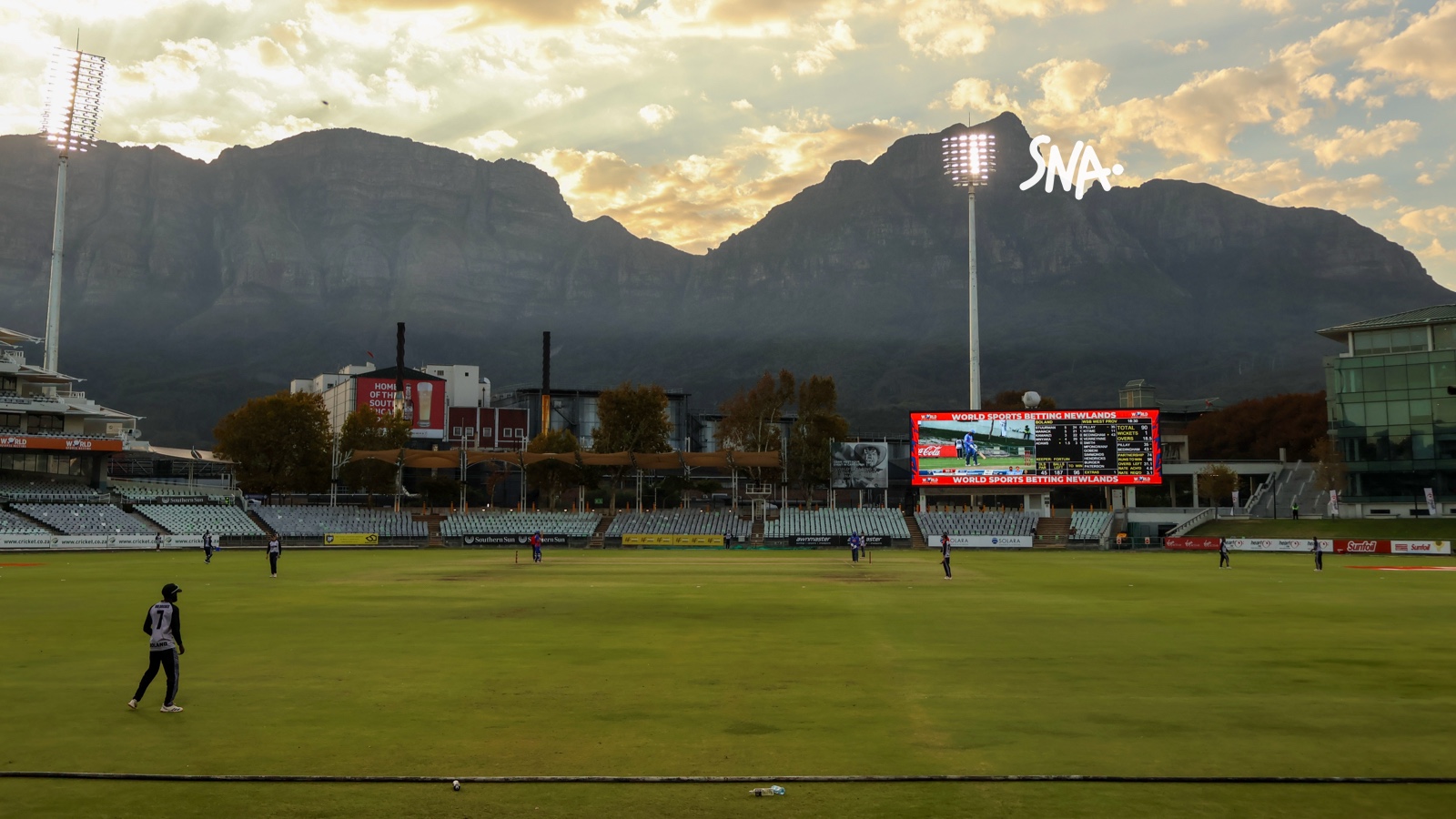
The Proteas face Australia in a three-Test series in South Africa, with the first Test scheduled from 9 to 13 October in Durban. For those new to the format through following the South Africa team, the scoreboard can be baffling: scoring more points does not guarantee victory.
Time is an opponent too. A men’s Test is played over a maximum of five days, and each side has at most two innings. To win, it is not enough to take the lead: you must force a result before the match ends. A side that is behind can therefore still avoid defeat by keeping batters in hand.
The runs are the points scored. The wickets here count the dismissals of batters. An innings can end when ten batters are dismissed — the last has no partner left — or when the captain decides to declare it closed. So 230/8 means 230 runs and eight batters dismissed.
A lead of 20 runs, but no winner
Take a fictional match. Team A finishes its two innings with 300 and then 200 runs, 500 in total. Team B scored 250 runs in its first innings. To win, it must therefore reach 251 in the second: its total would then exceed A’s.
B reach 230 runs for eight wickets lost when the match ends. Their total comes to 480, twenty runs behind A. Yet A do not win: B have not completed their second innings and still have batters in hand. The result is a draw, a match without a winner, even though the totals are different.
If B had lost all their available batters at 230, A would have won by 20 runs. If B had reached their target of 251 with eight wickets lost, B would have won by two wickets: the number of dismissals they could still have conceded.
A draw does not mean level points
The tie describes a different situation: all innings are completed and the totals are identical. In our example, B would be dismissed for 250 in their second innings, taking both teams to 500. By contrast, if B reached 250 without their innings being completed when time runs out, the totals would be equal but the result would remain a draw.
Why a captain may stop scoring
When one opposition innings remains to be played, a captain can declare their side’s innings closed, when the ball is dead, while batters are still available. They give up adding runs to give their bowlers more time: the bowlers must dismiss the opposition batters to convert the advantage. A declaration that comes too late may leave too little play to manage it; an earlier declaration also leaves a lower target to chase.
To read a daily summary, then, note three things together: the cumulative run total, the wickets already lost in the current innings and the playing time remaining. In Australian outlets, the order of the score may be reversed: 8/230 describes the same situation as 230/8.
Sources
Cricket South Africa: official Proteas fixtures and announcement of 28 September 2026. First Test scheduled from 9 to 13 October in Durban; the next two starting on 18 and 27 October. Dates checked on 12 October.
Rules checked on 12 October 2026. MCC, Laws of Cricket, 2017 Code, 4th edition (2026), Laws 13, 15 and 16: completed innings, declaration, victory, tie and draw. Pages 44 to 47 of the document.
Two journalistic references: ABC News, guide to Test cricket, 16 December 2021, written by staff with no individual byline displayed; Andy Bull, The Guardian, analysis of the Test draw, 4 January 2017. These archives serve as explanatory references; no old statistic is presented as current. The scores in the article are fictional.
Photograph: Newlands, Cape Town, 11 March 2026, during Western Province v Boland. EGilham / Wikimedia Commons, CC BY-SA 4.0. Archive image of a domestic match, unrelated to the Durban Test. Cropped, with official SNA logo; photographic adaptation under CC BY-SA 4.0.
