
The first window of the 2027 AFCON qualifiers has already provided some clues about the new dynamics at the helm of several major teams on the continent. Patrick Vieira, Hervé Renard, and Pitso Mosimane all started their new adventure with a victory, but in different contexts and with varying performances.
For Vieira, who took charge of Senegal after the World Cup, the first two matches mainly highlighted the scale of the challenge. A draw in Mozambique (1-1), followed by a victory in Ethiopia (1-0), gave the Lions four points, but without yet showing constant collective control.
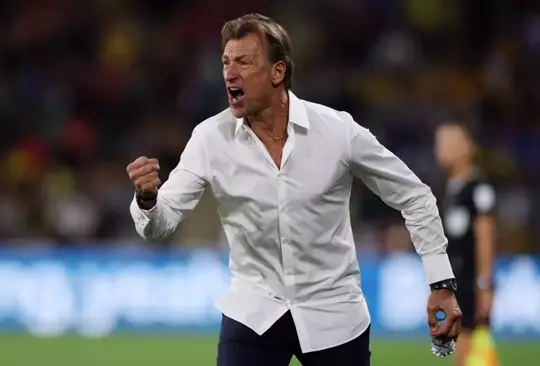
In Ivory Coast, Hervé Renard also secured two wins, against Ghana (2-0) and then Somalia (2-0). The results are therefore perfect, even though the second match revealed issues of efficiency and concentration that the French coach did not try to hide.
In South Africa, the situation is different. Pitso Mosimane has led only one match since his return to the Bafana Bafana bench. His victory against Guinea (2-1) provides an initial foundation to build on, but it would be premature to draw any definitive conclusions about his project.
Vieira, four points but an identity still under construction
Patrick Vieira quickly sought to instill a new identity in Senegal. After a 4-2-3-1 against Mozambique, the coach switched to a 3-4-3 in Ethiopia, notably integrating Malang Sarr into a back three and using Ibrahim Mbaye in a right wing-back role. This change reflects the manager’s desire to explore several options from his very first games. It also shows that the project is still a work in progress.
Senegal were held by Mozambique before suffering significantly in the second half in Ethiopia, despite taking an early lead through Ibrahim Mbaye. The young striker's goal, set up by Nicolas Jackson, allowed the Lions to go ahead as early as the 11th minute. But this advantage did not lead to sustained dominance. The Ethiopians gradually took control of the match and Yéhvann Diouf had to intervene several times, notably stopping a close-range header on the hour mark. This ability to withstand pressure remains an important factor for Vieira. His team held on to their lead and secured three precious points in a difficult away fixture.
The coach will now need to turn this resilience during tough times into true collective mastery. Vieira’s choices also suggest an evolving hierarchy. Moussa Niakhaté kept the armband, while Kalidou Koulibaly remained on the bench and Idrissa Gana Gueye came on during the match. The debut of Malang Sarr and the inclusion of young players like Ibrahim Mbaye and Bara Sapoko Ndiaye demonstrate a desire for renewal. The next fixture, even if only a friendly against Comoros, will mainly serve to continue seeking a balance between experience, renewal, and playing principles.
Renard, a perfect record but efficiency to address
Hervé Renard returned to the Ivorian bench with two wins in two games. After a relatively controlled victory against Ghana, the Elephants faced more difficulties against Somalia. Ivory Coast dominated territorially, but struggled for a long time against a deeply defensive Somali block.
Missed chances kept doubts alive until the last minutes. Yann Gboho finally broke the deadlock in the 89th minute, before Bazoumana Touré doubled the lead in added time. The 2-0 score doesn’t tell the whole story of the match. Renard himself emphasized his players’ “complacency” and lack of composure, while acknowledging that his team had missed several clear chances. However, this match also highlighted another feature of the start of his tenure: the ability of the bench to provide solutions. Gboho and Bazoumana Touré, two players included in a largely refreshed initial squad, directly contributed to the win after coming on.
Renard therefore already has a solid foundation with six points and no goals conceded. But the issue of attacking efficiency and the ability to quickly break down deep blocks remains. Against stronger opponents, missed chances could prove more costly.
Mosimane, a first win and many issues to clarify
For Pitso Mosimane, the outcome should be interpreted with more caution since South Africa only played one match at this stage. The Bafana Bafana beat Guinea 2-1 in Johannesburg, with goals from Ime Okon and Samukele Kabini. This first fixture mainly showed a team in transition. Mosimane only had a week to work with his squad and several periods revealed a team still hesitant in its mechanisms, especially in transition management and defensive balance.
Guinea managed to cause problems for the South Africans, particularly when their pressing disrupted the early buildup. Some players still seemed to be searching for the right positioning between their offensive and defensive duties. But South Africa also rediscovered traits that defined their recent campaigns: character, an ability to respond, and the importance of certain key players. After Guinea equalized, the Bafana Bafana took the initiative again until Kabini’s goal.
Goalkeeper Ronwen Williams also played an important role in this first victory, while Sphephelo Sithole reminded everyone of his influence in midfield after several years of physical issues. Mosimane thus has a first win that provides a positive base, but his team still needs to clarify its identity. The second match, against Eritrea, will already give more insight into how quickly the coach can implement his ideas.
Join our sports community!
Follow us on social media to never miss real-time sports news.
À propos de l'auteur

El Hadji Malick SARR
Rédacteur sportif
Passionné de sport depuis toujours, partage avec vous les dernières actualités et analyses du monde sportif.