
Cameroon: managing sports infrastructure, one step at a time
Cameroon: the challenge of distributing sports infrastructure. Onies, led by Josph Antoine Bell, is in charge
Sport News Africa · Author profile ·
Listen to this story
Audio version in preparation · read aloud by your browser meanwhile
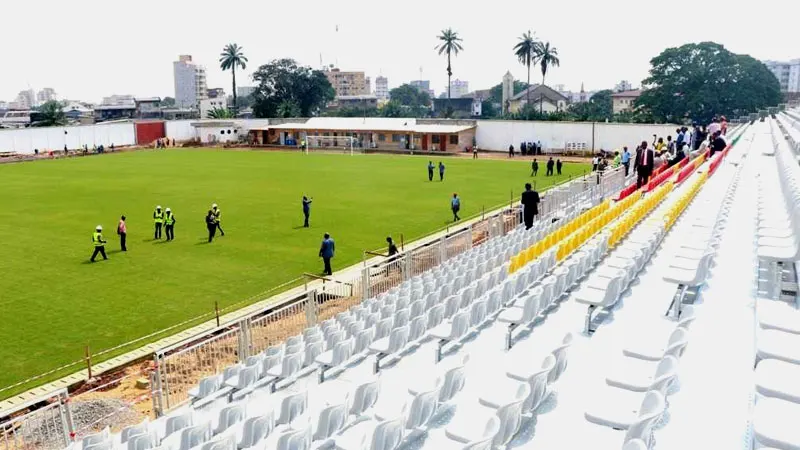
Eighteen football stadiums up to standard, seven of them able to host international competition matches, a multi-purpose Palais des Sports, several gymnasiums, tennis courts and dojos... Cameroon is well served when it comes to quality sports infrastructure. And hosting the Africa Cup of Nations (Afcon) 2021, for which the public authorities of this Central African country spent close to 1 000 billion CFA francs (more than 1.5 billion euros), has a lot to do with that. However, as in several countries on the continent, managing this stock of infrastructure remains a major challenge.
The arrival of Onies
Faced with the need to professionalise this management and ensure the best possible use of the facilities, the Cameroonian head of state created the National Office for Sports Infrastructure and Equipment (Onies) in August 2022. It is chaired by former goalkeeper Joseph Antoine Bell, and this public body, which has financial autonomy, is tasked with using its expertise to ensure the upkeep, maintenance, operation, security, development and long-term sustainability of the sports infrastructure and equipment, as well as the specific associated facilities built or fitted out by the State.
Issues and challenges
Since then, Cameroon's sporting landscape has seen significant changes in how its facilities are managed. Indeed, creating such a body addresses several major issues: "on the one hand, it aims to ensure better financial management of the infrastructure, optimising upkeep and maintenance costs. On the other hand, it seeks to guarantee the safety of the facilities while professionalising administrative and technical management. These changes aim to strengthen Cameroon's credibility as a destination for major sporting events ".
Onies' approach aims first to plan the use of the facilities better while ensuring they are maintained. On this specific point, Cameroon has, "in the contracts signed with the partners in charge of their construction or refurbishment, included a section devoted to technology transfer, with the training of Cameroonian staff responsible for maintaining them over the very long term ", explains an official from Cameroon's Ministry of Sports. The other strand of the approach being rolled out is to make these facilities pay for themselves, so as to generate resources to cover the costs of maintaining them.
It is in this spirit that measures are being considered. The idea is to turn them into genuine hubs of activity, rather than simple venues reserved for sporting fixtures. Professional concession holders with an established reputation will be asked to take on specific areas within their fields of activity, such as catering, drinks sales and entertainment (fairground rides, etc.). Cameroon's sports infrastructure management policy suggests that sports associations must now submit their requests at least 15 days before national events and one month before international events. They must also pay Onies a share of the revenue.
Balance
But while the body talks of management mechanisms designed to keep the costs of maintaining the infrastructure under control, the details of the specific costs remain vague. The crucial question of financial viability while keeping the facilities accessible is a challenge to be met. So Joseph Antoine Bell and his colleagues must juggle the need to professionalise management to keep the facilities sustainable with the flexibility essential to adapt to the specific demands of each discipline. It is a delicate balance between financial discipline and openness to varied needs.
Arthur Wandji