
Paris 2024: five key lessons for Africa
The Paris 2024 Olympics have closed with African nations winning 39 medals in total. What can be taken from Africa's showing?
Sport News Africa · Author profile ·
Listen to this story
Audio version in preparation · read aloud by your browser meanwhile
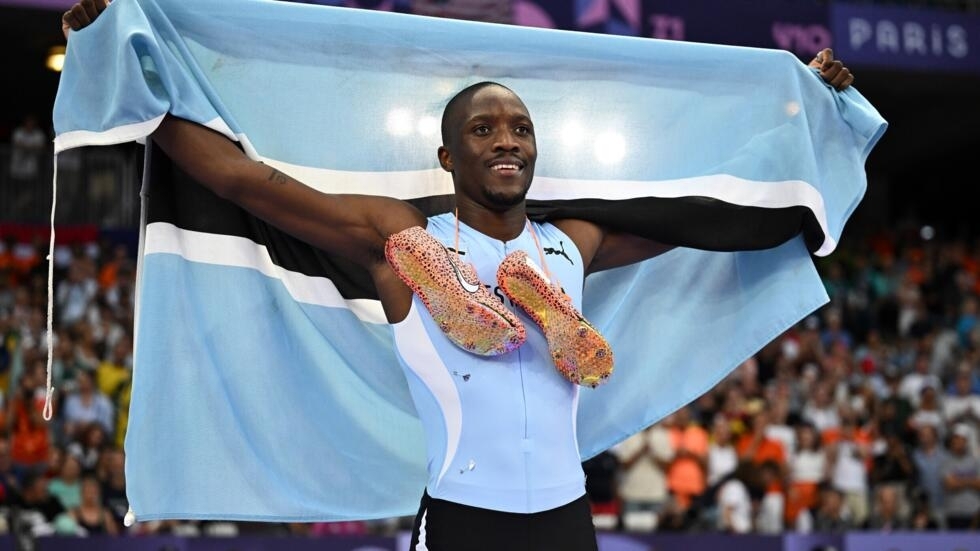
Kenya and athletics the main sources of medals
Kenya once again showed its supremacy in the long-distance events, a well-established tradition at the Olympic Games. Beatrice Chebet in particular made a real impression, winning two gold medals in the 5000m and 10 000m. Those performances make her one of the leading figures in world athletics and cement Kenya's position as the undisputed leader in long-distance running. Emmanuel Korir also defended his Olympic title by winning the men's 800m, underlining the continuity of Kenyan success in that discipline.
As in previous editions, athletics was the main hunting ground for African medals at Paris 2024. Beyond Kenya's exploits, Uganda's Joshua Cheptegei finally completed his collection by taking gold in the 10 000m, while Morocco's Soufiane El Bakkali confirmed his dominance of the 3000m steeplechase by winning gold for the second consecutive time after Tokyo 2020. They are athletes who, like Faith Kipyegon in the 1500m, embody African dominance in long-distance and middle-distance running.
Steady performances, but short of expectations
With a total of 39 medals at Paris 2024, African nations showed a degree of stability compared with previous editions, but failed to beat the record of 45 medals set at Rio 2016. This relative stagnation suggests there is still plenty of untapped potential on the continent. Highly anticipated figures, such as Nigeria's Tobi Amusan, the world record holder in the 100m hurdles, disappointed, which contributed to this mixed showing.
Read more: Paris 2024: medal haul for Kenya, bronze for Cheick Cissé
Historic first medals for emerging African nations
The 2024 Olympic Games saw nations such as Botswana and Cape Verde make history with their first medals. Botswana's Letsile Tebogo won gold in the 200m, a first for an African athlete over that distance, and Cape Verde's David da Pina took bronze in boxing. These historic successes show the growing potential of these emerging nations and could inspire other small countries to invest more in elite sport.
Combat sports: a source of medals in future?
The remarkable performances of several African nations in combat sports were a feature of Paris 2024. Besides Algeria with Imane Khelif, Tunisia also stood out thanks to Khalil Jendoubi, who won gold in taekwondo, confirming his talent after the silver he won at Tokyo 2020. Likewise, Cape Verde made a dramatic entry into Olympic history with David da Pina, who won his country's first medal, in boxing. Ivory Coast, with Cheick Sallah Cissé, added another bronze medal to its taekwondo record, consolidating its position in the sport after its Olympic title at Rio in 2016. It gives cause to hope for the emergence of new champions in these disciplines in future.
Persistent inequalities between African nations
While some nations, such as Kenya and Algeria, shone particularly brightly, others, notably big nations like Nigeria, performed far worse and went home empty-handed. This imbalance highlights the disparities in development and resources between African countries, which may call for greater cooperation and collective strategies to raise standards across the whole continent.
The challenge: sustaining steady progress over time
Compared with Rio 2016, the number of medals won by African nations at Paris 2024 shows a slight drop, suggesting the continent's progress is not linear. The challenge of sustaining consistent progress raises questions about sports infrastructure, funding and support for athletes, all crucial factors in turning potential into tangible results at future Olympic Games. These lessons show that the 2024 Olympic Games were a mix of success and challenge for African nations, with outstanding individual performances but also signs that there is still some way to go to reach the continent's full potential on the global sporting stage.