
CAF tightens requirements for national team coaches in Africa: a turning point for the continent's football
The Confederation of African Football (CAF) has decided to raise the requirements for becoming a national team coach on the continent
Sport News Africa · Author profile ·
Listen to this story
Audio version in preparation · read aloud by your browser meanwhile
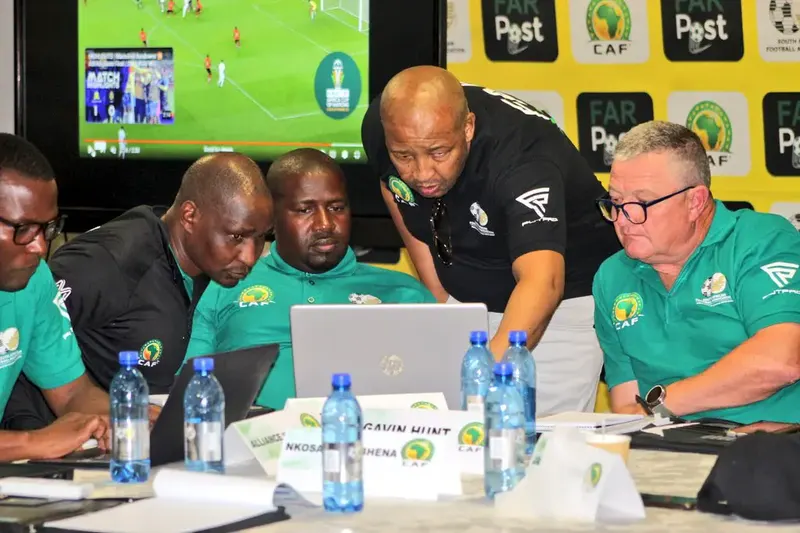
The Confederation of African Football (CAF) has taken a major step towards professionalising the technical staff of national teams. From now on, head coaches will have to meet strict qualification criteria to take charge of African national sides. The decision, taken by the CAF Executive Committee, aims to guarantee technical staff who meet international standards and to end the era of improvised appointments.
Tougher requirements for senior teams
For senior men's national teams, the head coach must hold either the CAF A licence or the CAF Pro licence, two certifications that are recognised and suited to the demands of top-level football. The assistant coach must hold a CAF A licence.
For senior women's national teams, the criteria are slightly more relaxed: the head coach must hold the CAF A licence, while the assistant must have a CAF B licence. These provisions aim to bring the skills of technical staff into line and to strengthen the development of women's football, which is often undervalued on the continent.
A structured set-up for age-group teams
The new rules also extend to youth teams. For men's U17, U20 and U23 national teams, the head coach must have a CAF A licence and his assistant a CAF B licence.
For women's teams in the same age categories (U17, U20, U23), the CAF has opted for a phased approach. The head coach must hold a CAF B licence and the assistant a CAF C licence. These step-by-step requirements aim to encourage coaches to improve their skills, while taking account of the realities of coach education on the continent.
Direct impact on coaches and federations
These new criteria mean many coaches will have to upgrade, as they will now need to obtain the necessary certifications to keep working. In addition, national federations will be required to comply with these standards when hiring, or face sanctions from the CAF.
For example, experienced local coaches who are not certified will have to take the appropriate courses to remain competitive. Likewise, the reform could prompt some federations, often accused of negligence, to invest more in technical training and in professionalising their staff.
A strategic step forward for African football and its coaches
This initiative marks a genuine turning point for African football, which aspires to compete with the best nations in the world. By demanding strict qualifications, the CAF is seeking to raise the technical and tactical level of African national teams, while also giving more value to local coaches.
In the long term, the reform could translate into better performances by African teams on the international stage, and also into greater recognition of the work of African coaches, at a time when few African coaches hold a job outside the continent. With these new rules, the CAF is not just setting out requirements: it is sending a clear signal that the future of African football rests on solid, professional foundations.