
Is Central Africa and the Congo Basin becoming a thriving hub of sporting excellence?
Recent events in Brazzaville and Kinshasa point to a new momentum across the Congo Basin
Sport News Africa · Author profile ·
Listen to this story
Audio version in preparation · read aloud by your browser meanwhile
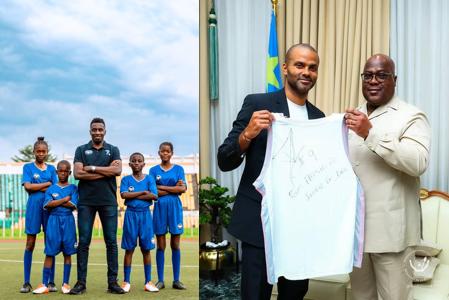
The rise of sports academies: a tool for transformation
Academies such as Blaise Matuidi's Alima in Oyo, or the Tony Parker Adéquat Academy, which could expand into the Democratic Republic of Congo, are much more than training centres for young athletes. They are the product of a shared vision: using sport to give young Africans educational, professional and personal opportunities. These facilities not only help spot and develop talent, but also boost local employment and modernise sports infrastructure.
The Alima academy, backed by Congo's president, Denis Sassou-Nguesso, and by football icons such as Eto'o and Adebayor, aims to become a centre of excellence for young footballers, offering them both sporting and civic education. The project is the result of a unique collaboration between the former France international and Nanga Ibata, a dynamic entrepreneur based in Brazzaville. As for the Tony Parker Adéquat Academy, it aims to revolutionise basketball development in the DRC, in partnership with local authorities and drawing on the training model that helped Parker make it in the NBA.
Read also: A host of African legends turn out for the Alima Academy
“I'm driven by passing things on, the aim is to give back. I started with an academy in France, in Lyon. We worked with a Congolese player last year and it's going very well, his name is Paul and he comes from here, in fact. He's the first player from Congo to reach the Euroleague on a professional contract. And my captain too, he's been at ASVEL for 10 years, he's Congolese as well. I thought perhaps we could find synergies and come and set up an academy here to develop basketball,” said the former NBA champion with the Spurs, speaking to Sport News Africa. “It's true that football is the number 1 sport, but I've realised there is plenty of talent here. They just don't have the platforms to succeed. That's why we obviously want to work on infrastructure, bring in know-how, come here regularly with our own coaches, bring our expertise and then develop them and help them turn professional in France. ”
Central Africa, a new hub for elite sport
Projects such as those that were put in the spotlight on a large scale during this sport-focused weekend form part of a broader strategy to make Central Africa, and the Congo Basin in particular, a hub for elite sports academies. The region has enormous potential, thanks both to its young, sport-loving population and to the involvement of influential figures ready to invest in the future of sport. Parker's visit to Kinshasa and the exchanges between Matuidi and Eto'o in Oyo show regional synergy at work.
“We must keep supporting projects like these for our continent and within our continent. I hope young people will realise what a great opportunity they are being given and that they will seize it,” Samuel Eto'o argued for his part.
Central Africa can now become a hub for the development of sport, by attracting international investment and capitalising on its local talent. By training its young people to a world-class level, the region could one day compete with the biggest sporting nations on the international stage. That, at least, is the ambition it will now try to fulfil by converting these two tries.
An impact beyond sport
The benefits of these academies go well beyond simply training athletes. They help create jobs, stimulate the local economy and promote cultural exchange between the two Congos and beyond. They are also a powerful symbol of African unity, as Blaise Matuidi points out when describing the Alima Academy as a “bridge between the two Congos.”
What's more, these initiatives are drawing the attention of investors and creating opportunities for young African talents to flourish without having to leave the continent.
With the rise of sports academies and the involvement of iconic sporting figures, Central Africa is positioning itself as a strategic crossroads for sporting excellence. These projects show that sport can be a powerful driver of social and economic transformation, and they could well propel the region into a new era of sporting success and sustainable development.