
Lack of visibility and sponsors: the other battle facing African sportswomen
African women's sport remains on the margins of media coverage and marketing. This invisibility of African sportswomen is down to...
Sport News Africa · Author profile ·
Listen to this story
Audio version in preparation · read aloud by your browser meanwhile
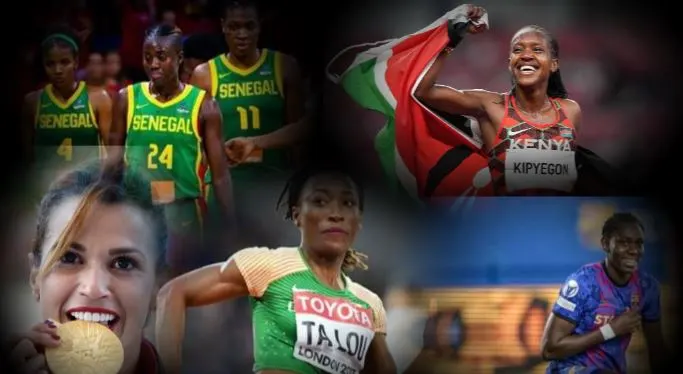
They shine on pitches, tracks and courts, yet remain in the shadows. Despite performing at the highest level, African sportswomen struggle to win the media recognition and marketing opportunities their talent deserves, and which could propel their careers. A lack of visibility that stems from structural, economic and sociocultural factors, and continues to hold back their progress.
A glaring shortage of media coverage
In African sport, men's football takes the lion's share of media attention, and often swallows up almost all of the coverage and budgets. While the achievements of women's national teams in football, basketball and athletics are remarkable, media exposure remains low. Women's competitions are rarely shown live, and few journalists specialise in covering women's sport, which limits the number of inspiring stories about the athletes.
The figures speak for themselves: in Africa, less than 10% of broadcast sports content concerns women. That has a direct impact on their media exposure, but also on their appeal to sponsors and brands. African and international media alike pay disproportionate attention to men's sport, relegating women's achievements to the background.
Marie-Josée Ta Lou, for example, despite being one of the fastest sprinters in the world, was left out of Netflix's documentary series on sprinters, an illustration of the media's neglect of African athletes. This lack of media representation deprives female athletes of the recognition they deserve and of the marketing opportunities that come with it.
Lack of structure and investment, limited interest from sponsors and brands
Women's federations and leagues suffer from chronic underfunding. Compared with their male counterparts, they have fewer resources, poorer facilities and often precarious training conditions. The lack of a regular competitive calendar also prevents women's clubs and national teams from building a loyal following and attracting the attention of the media and advertisers.
In the sporting world, visibility attracts investment. Brands look for sporting figures who can generate engagement and a return on investment. Athletes such as Marie-Josée Ta Lou-Smith and Asisat Oshoala, for instance, need no introduction. Yet the limited media coverage of women's sport in Africa creates a vicious circle: without exposure, female athletes struggle to win over sponsors, which holds back their development and profile.
Some companies are, however, starting to take an interest in female talent, such as TotalEnergies, official sponsor of the Women's AFCON, or a handful of sportswear manufacturers partnering with leading African athletes like Ons Jabeur. Even then, the Tunisian had to wait until she began to shine on the women's tennis circuit. But these initiatives remain marginal compared with the huge sums poured into men's sport, particularly national-team football. The annual budgets of national sports ministries are largely swallowed up by the costs of the senior men's national teams.
Cultural barriers and persistent stereotypes
Beyond the economic and media issues, sociocultural barriers continue to restrict the growth of women's sport. In some regions, prejudices are entrenched: certain disciplines are still seen as reserved for men, and young girls who want a career in sport sometimes face resistance from their families or society.
Many African sportswomen therefore have to balance their passion with personal or professional constraints, making their progress harder.
How can the trend be reversed?
But while there is still a long way to go, solutions exist to give African sportswomen the place they deserve. First, there needs to be greater media coverage, with the media committing to give women's sport more space through reports, interviews and live broadcasts of competitions. Investment must also rise, with federations and governments allocating bigger budgets to developing women's sport, notably to improve facilities and structure competitions.
Harder to achieve in practice is getting sponsors more involved, with brands having a key role to play in backing female athletes and offering them fair sponsorship deals. Highlighting the journeys of Africa's leading sportswomen would also help inspire the next generation and break down stereotypes.
The road ahead still looks long, but the picture is not entirely bleak. Progress is visible, notably with the growing stature of competitions such as the Women's AFCON in football, the Women's AfroBasket and, more recently, the Women's African Handball Championship in DR Congo. But for African sportswomen to receive the full recognition they deserve, the media, sponsors and governmental and sporting bodies will need to mobilise in earnest. Their talent is undeniable. It is time their visibility was too.