
Senegal: athletes reveal the reality behind the medals
From judo and boxing to athletics and women’s handball, Senegalese athletes describe unpaid bonuses, cancelled training camps and limited support.
Contribution SNA · Author profile ·
Listen to this story
Synthetic English voice · 11 min 40 s
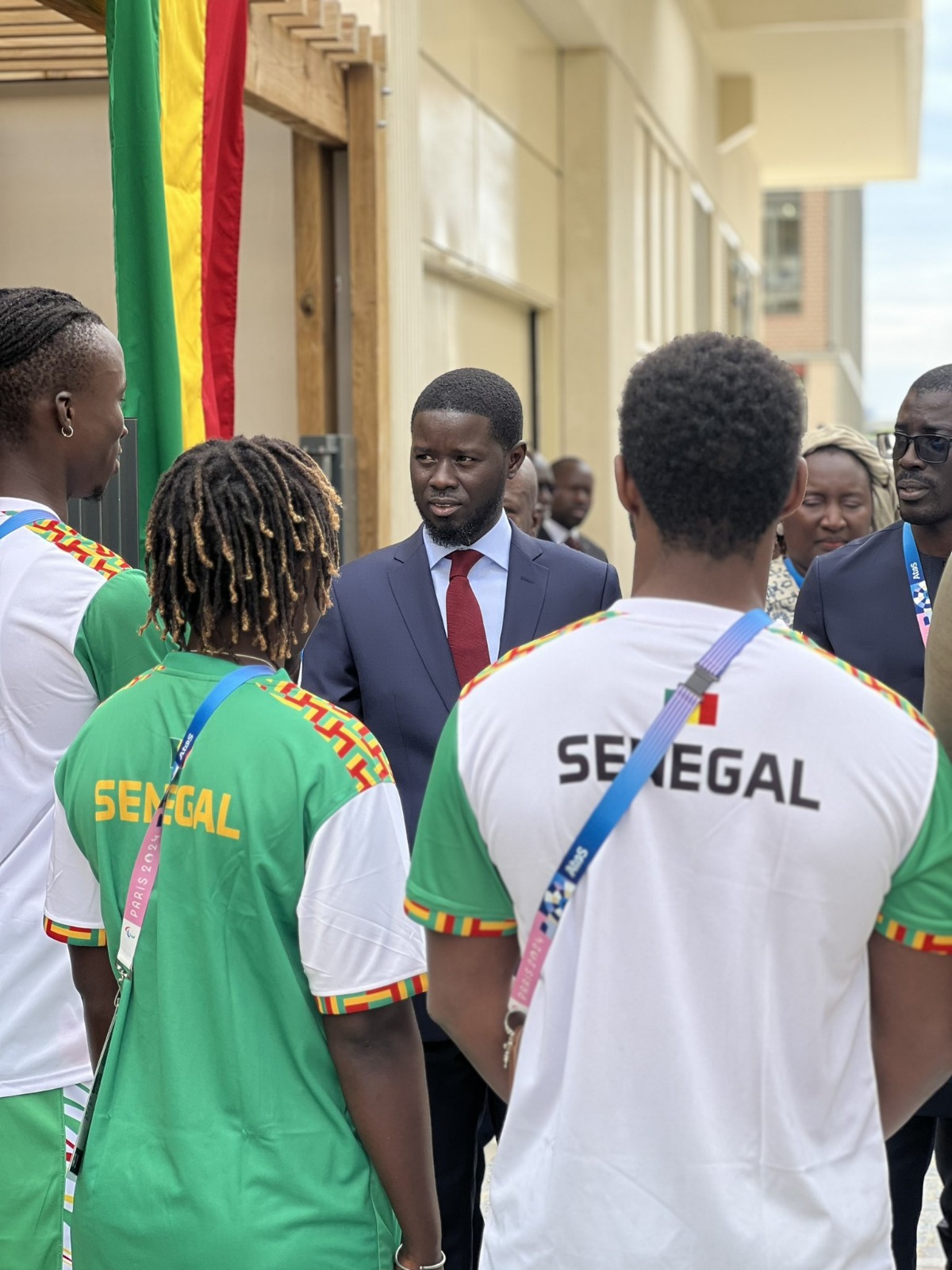
They wear Senegal’s colours, send the national anthem ringing around the world’s biggest sporting arenas and carry the ambitions of a country with a proud sporting culture. Yet beyond the podiums, medals and results, several athletes describe a very different reality: the pursuit of excellence has also become a battle away from competition.
Across a range of disciplines, athletes speak of limited support, bonuses that remain unpaid long after events and preparation conditions they consider inadequate for elite sport. Cancelled training camps, difficulty securing equipment, self-funded travel and a lack of follow-up are among the obstacles they say are holding back their progress and their ability to compete with the best.
Their accounts raise the same question: how can Senegalese athletes aim for the top when some believe they must first fight to secure the basic conditions they need to succeed?
Mbagnick N’diaye: “An athlete representing his country should have only one concern: performance”
African champion in 2023 and a leading figure in Senegalese judo, Mbagnick N’diaye has devoted much of his career to representing Senegal at the highest level.
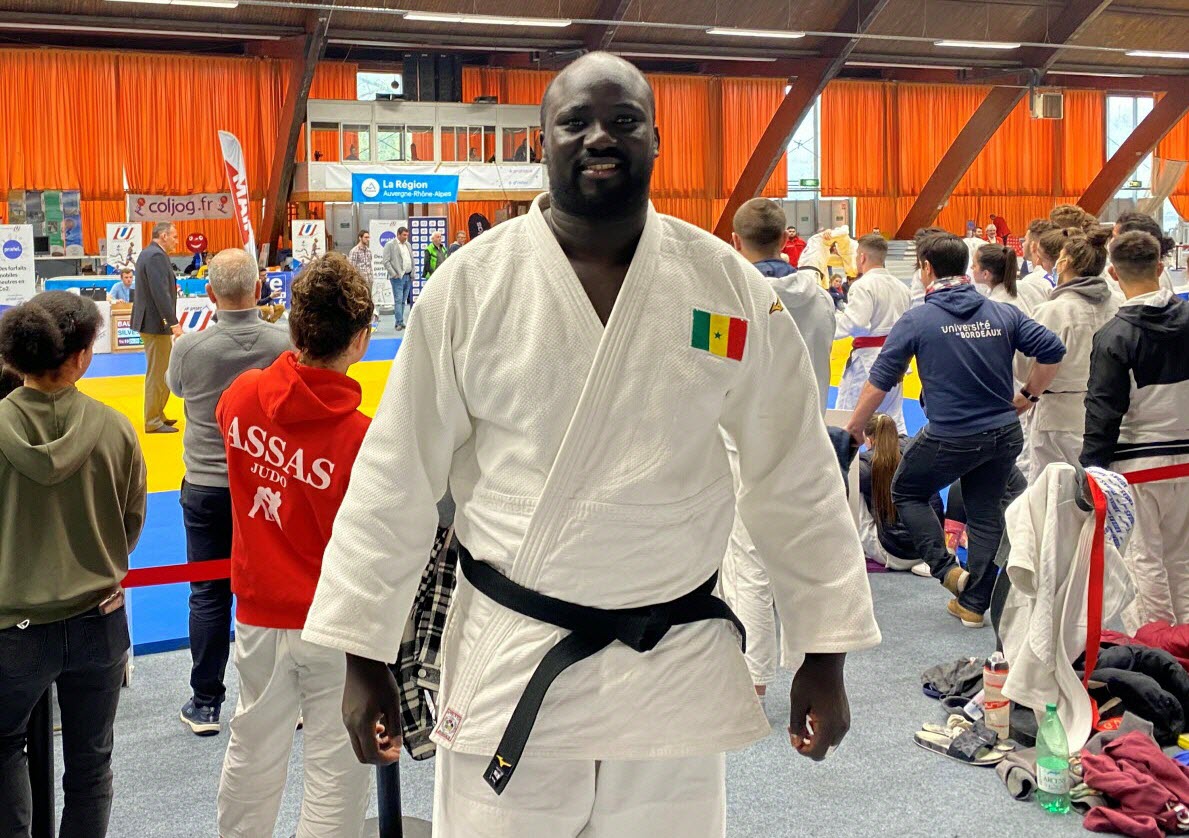
The judoka does not want his testimony to be reduced to criticism of a single federation. In his view, the difficulties facing athletes point to a deeper problem in the way Senegalese sport is organised:
“One reality has to be acknowledged: Senegalese federations do not have the means to support athletes. An athlete representing his country should be able to focus on one thing alone: his performance.”
Mbagnick says he faced several problems himself at the Paris 2024 Olympic Games. At that level, every detail matters, and he believes athletes should not be left to handle logistical issues on their own.
“Athletes are still having to deal with organisational, equipment and logistical problems themselves. I experienced it at the Paris Olympics, where I did not have my equipment. I only received it right at the end of the competition.”
Beyond preparation, the Senegalese judoka also raises the question of whether performances are properly recognised: “I won the African Judo Championships in 2023. To this day, I still have not received my bonuses. I then added more podium finishes in the years that followed and, all this time later, still nothing.”
For N’diaye, the consequences extend well beyond money. He believes athletes must be given a different place within the structures that run Senegalese sport.
“There are many people around us who are neither competent nor serious. They are only there for their small privileges. They give no thought to athletes’ mental health, and the athletes are pushed into the background.”
He is prepared to speak despite the effect his words could have on his relationship with certain sporting bodies.
“I recently stood for president of the Athletes’ Commission, but the position is now held by a former federation president. The election took place, but everyone knows that it was illegal, on the one hand, and a total injustice, on the other. I am speaking out because all of this has to stop. I do not want the younger generation to go through what I experienced.”
His message now reaches beyond his own career. Mbagnick N’diaye says he wants to help develop constructive solutions and contribute to a better system for Senegalese sport.
Karamba Kébé: “Since I began representing Senegal, the federation has never supported my preparation for major international competitions”
Karamba Kébé’s name is tied to a landmark achievement in Senegalese boxing. By winning the African title in 2024, he ended a long wait for Senegal in the discipline. It was a major breakthrough for a boxer who has represented the country since 2021.
Behind that result, however, Kébé describes a career shaped by what he sees as a lack of recognition and support from his federation.
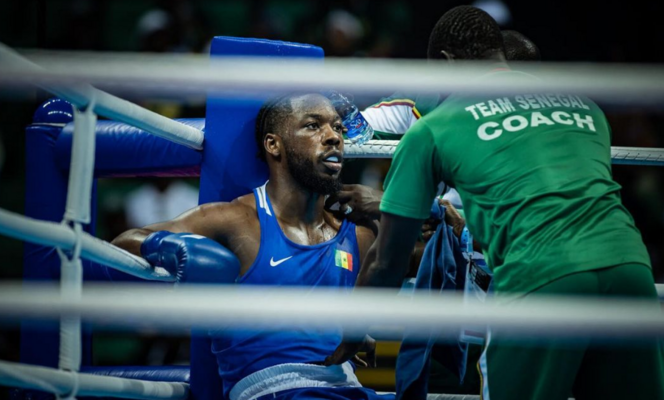
In his view, a sporting body’s role cannot end with entering athletes in international competitions. It must also contribute to their development, preparation and progression.
His concerns echo those raised by several athletes interviewed for this report: sports with the greatest visibility are not treated in the same way as disciplines that receive far less attention.
“Football is naturally the most heavily covered sport in Senegal, but the other disciplines must not be forgotten. Boxing, judo, athletics and swimming also allow Senegal to shine internationally. Yet their athletes often lack resources and support. I believe funding needs to be distributed more fairly so that every athlete representing the country can develop in good conditions.”
For Kébé, resources remain at the heart of the issue. He says his own journey illustrates the problem:
“In 2023, I paid for my own pre-selection training camp and my participation in the World Championships in Uzbekistan. When I arrived, I found that three other Senegalese boxers, a coach and the secretary-general had all been funded. I have also done all my sporting preparation at my clubs in France, at my own expense. Since I began representing Senegal, I have never received support from the federation to prepare for major international competitions.”
The problem does not affect established athletes alone. According to the boxer from France’s Charente region, it also reaches future generations trying to build careers in elite sport.
His words are therefore less a complaint about his own journey than a call for the system to change.
“Support every Senegalese athlete, not only when they win a medal. Behind every result are years of sacrifice, often paid for by the athletes themselves or by the people around them.”
Some athletes agreed to speak publicly. Others requested anonymity because they fear repercussions for their careers or their places in national teams.
That reluctance reflects the unease several athletes say runs through Senegalese sport. They explain that they hesitate to speak openly about their federations because they fear their words could damage their sporting future or close off opportunities.
Athletics: “After the World Indoor Championships in Poland and the African Championships in Ghana, no bonuses were paid to the athletes”
Some Senegalese athletes say they are trying to build elite careers with limited resources and a heavy reliance on their own efforts. One international athlete, who asked to remain anonymous, describes a system in which the pursuit of performance often requires considerable personal investment.
The decision to speak anonymously was deliberate. Like other athletes interviewed for this report, the athlete fears that speaking out could affect both their career and their relationship with the bodies that oversee the discipline.
According to the athlete, the difficulties begin long before the major international competitions, during the very period in which performances are built.
“In our discipline, the reality is that preparation rests almost entirely on the athlete. Training camps, equipment, physiotherapy, part of the coaching and sometimes even certain trips are paid for out of our own pockets.”
The athlete says funding attendance at major competitions covers only one part of the journey to elite level. The daily work required to qualify is still largely financed by the athletes themselves: “Apart from the Olympic scholarship for the athletes who receive it, federations rarely provide genuine support during preparation. They generally pay for tickets to the major competitions, but the work required to reach them is still very often left to the athlete.”
The testimony also returns to commitments that, the athlete alleges, have not been honoured. Some rewards linked to international performances, they say, were never paid.
“Many promises are made, but they are not always followed by action. In my own case, after the World Indoor Championships in Poland and the African Championships in Ghana, no bonuses were paid to the athletes.”
The athlete says this lack of recognition has a significant emotional effect on sportspeople who dedicate years of their lives to their disciplines.
“We received congratulations, but not the rewards that had been announced. That lack of recognition is discouraging because every result comes after years of sacrifice and personal investment.”
The account also feeds into a wider criticism of sporting governance. The Senegalese international believes some institutional transitions have been delayed, to the detriment of the discipline’s development.
“I also find it unacceptable that the president of the Athletics Federation’s term ended some time ago and that the transition still has not taken place. In the meantime, athletes continue to suffer the consequences of a lack of change and concrete decisions.”
It is another illustration of the paradox raised by several athletes: representing Senegal on the biggest international stages while believing they must provide, at least in part, the conditions needed to get there.
Women’s handball: “Some of us have considered leaving the national team”
Frustration is also present in team sports. A Senegalese international handball player, who requested anonymity because she fears reprisals, says uncertainty surrounding the team’s preparation for major competitions has weighed on the squad.
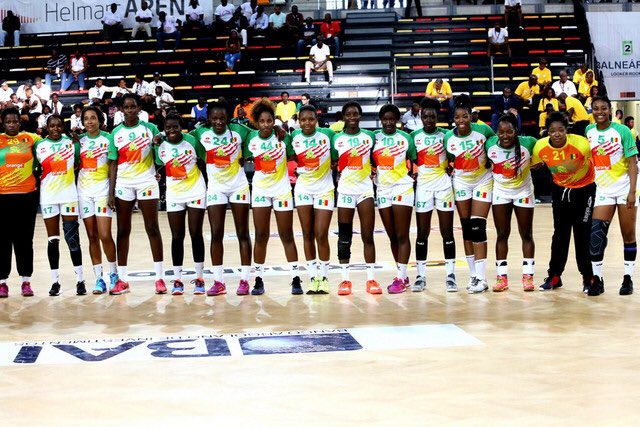
Senegal’s players have regularly carried the country’s ambitions on the African stage, but preparation conditions remain a source of concern, she says: “We were due to hold a training camp ahead of the 2024 Africa Cup of Nations in Congo, but it was cancelled only three weeks before the scheduled date. According to the federation, the reason was a sudden lack of funds…”
The player says such last-minute changes make it harder to prepare a team that is nevertheless expected to meet the demands of elite competition.
Beyond that decision, she describes a deeper sense of disillusionment within the group, with some players beginning to question their future in the national team.
“Some of us have even considered leaving the national team because of the federation’s lack of investment and support.”
Bonuses are another source of tension in her testimony. She says the players are still waiting for part of the money linked to their participation in the 2024 Africa Cup of Nations.
“Since the tournament, we still have not received everything we were owed. Anyone who dares to say otherwise can come and explain themselves.”
Her account highlights another problem: athletes say they must cope with organisational uncertainty while preparing for international competitions where the smallest lapse can affect performance.
Calls from the heart
While many athletes still choose discretion, others have spoken publicly on social media. In 2024, American-Senegalese basketball player Cierra Dillard notably denounced delays in the payment of the players’ bonuses.
Senegalese fencer Ndeye Binta Diongue had also spoken to Sport News Africa about her concerns over the support she was receiving ahead of the Paris 2024 Olympic Games, citing a lack of psychological, financial and material assistance.
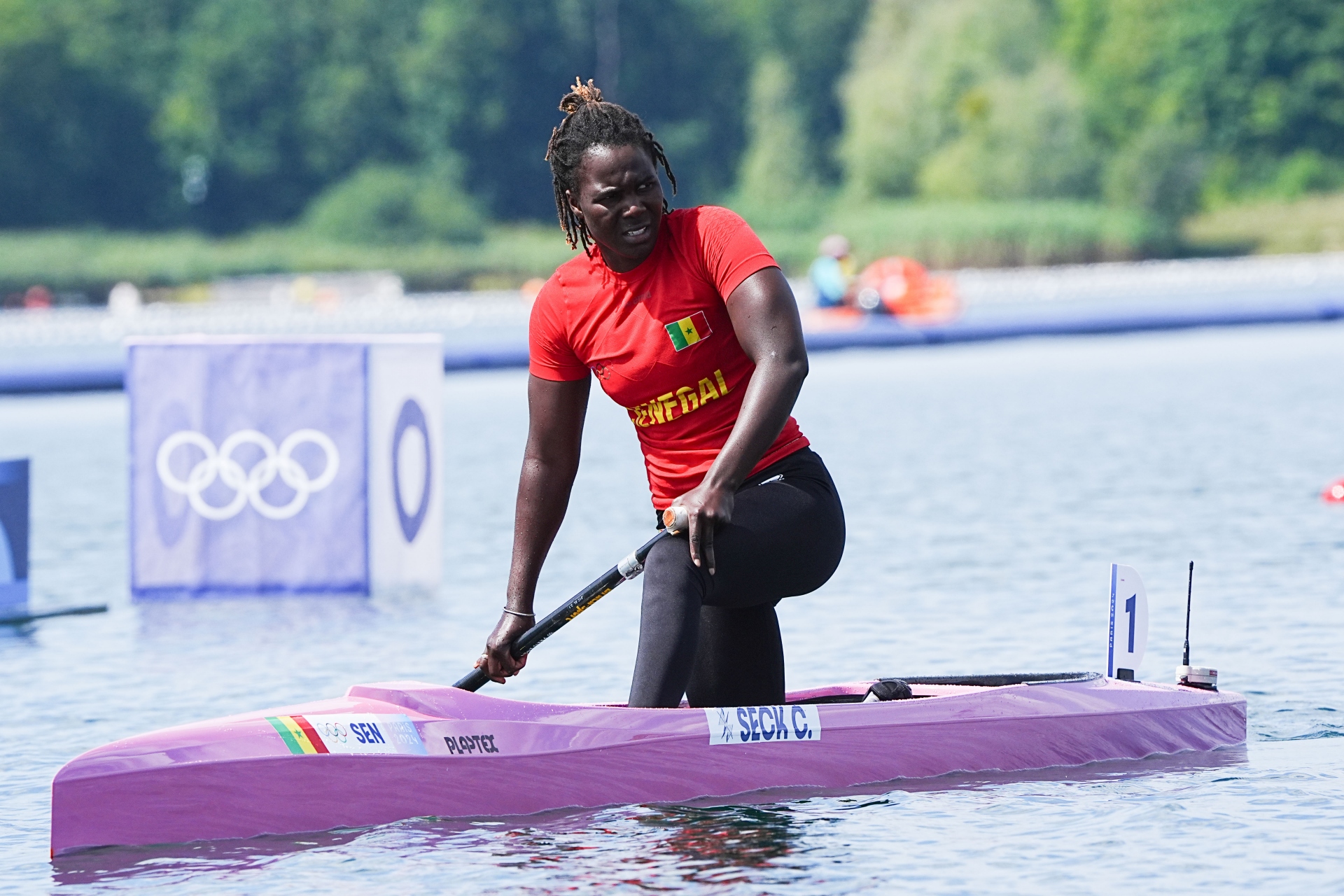
More recently, Senegalese canoe-kayak athlete Combe Seck published a long LinkedIn post about the difficulties she faces within her federation. Usually reserved, she chose not to hold back this time: “I cover my expenses on my own. I pay for my travel. I have to find my own spending money. I sort out my equipment from one season to the next. I sell jerseys and other items so that I can pay for transport and keep moving forward. Sometimes, at championships, I see every other athlete properly equipped and properly supported, except me. And yes, sometimes it demoralises me.”
Before them, Kéné Ndoye had already embodied this struggle. A major figure in Senegalese athletics, a two-time Olympian and a world medallist, she fought for years to secure payment of bonuses she believed she was owed, continuing that battle until her death in 2023. More than twenty years after the champion’s first warnings, the testimony gathered from several athletes suggests that some of the same difficulties remain. It leaves one fundamental question: how many more generations of athletes will have to raise the same problems before the debate produces concrete change?
Adja CISSÉ