
Cricket: how South Africa let Australia off the hook in Durban
The South Africans had dismissed six Australian batters for 124 runs. Matt Renshaw's resistance, then their own struggles with the bat, changed the course of the first Test. The series resumes on 18 October in Gqeberha.
Contribution SNA · Author profile ·
Listen to this story
Synthetic English voice · 3 min 40 s
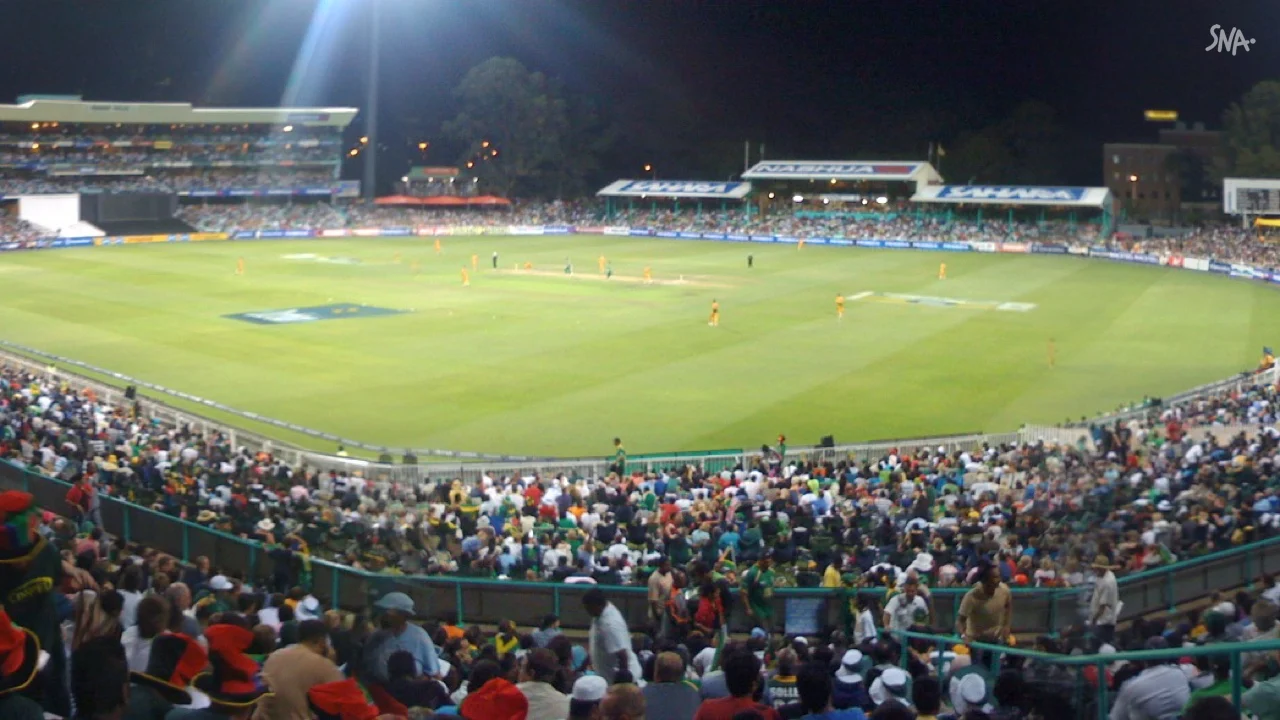
Kingsmead, Durban, during South Africa–Australia in April 2009. File photo: Marc Forrest, CC BY 2.0.
South Africa had Australia in trouble: 124 runs on the board, six batters already dismissed. An innings is a team's turn at the crease, during which it scores runs. At that stage of the first innings, the hosts could hope to contain their opponents. Yet on the fifth and final day, this Tuesday 13 October, they left Kingsmead beaten by 214 runs. The turning point of this first Test lies between those two pictures: a chance to take control, then an Australian fightback the South Africans could not break.
The defeat stings all the more because the two sides meet again after South Africa won the World Test Championship final at Lord's in 2025. The defending champions now trail 1–0 in this three-match home series. They have two games left to respond.
Renshaw turned a shaky start into an Australian lead
Matt Renshaw made 190 of Australia's 390 runs in the first innings. He did not just score heavily: he extended an innings that was threatening to end on a low total. By staying at the crease with bowlers Pat Cummins and then Nathan Lyon, who came in after the specialist batters, he enabled his side to add 86 and 134 runs respectively before the next dismissal.
South Africa's reply ended on 284. Instead of capitalising on their good start with the ball, the South Africans found themselves 106 runs behind after each side's first innings.
In a Test, each team has two innings in which to score runs. The lead gained in the first weighs on what follows. Australia added 314 runs in the second, then chose to declare with six batters dismissed. That decision gave them time to bowl their opponents out. To win, South Africa now needed to reach 421 in their final innings.
Too little support on the final day
Aiden Markram held out for a long time: 75 runs from 237 balls faced. With Wiaan Mulder, he delayed the first dismissal of the day for almost two hours. But wicketkeeper Alex Carey ended their partnership by catching the ball Mulder edged off a delivery from Josh Hazlewood. Three balls later, Kyle Verreynne was also out, this time to a delivery from Renshaw.
Hazlewood then hastened the end of the match. In that closing spell, South Africa added only five runs to the score, for four wickets. The Australian bowler finished the innings with six wickets for 49 runs conceded. The South Africans were all out for 206 in their final innings.
In Durban, then, South Africa's problem is not just the steep target on the last day. The side failed to finish the job after the first six Australian dismissals, then did not build enough lasting partnerships with the bat. Markram resisted, but not enough to close the gap.
The second Test begins on 18 October at St George's Park in Gqeberha. To level the series, the South Africans will have to turn their good spells with the ball into shorter opposition innings, and their early signs of resistance with the bat into runs shared among more players.
Sources
- Russell Jackson, ABC, analysis of 11 October 2026
- Reuters, report published by The Daily Star, 13 October 2026
- Josh Schonafinger, Cricket Australia, report of 13 October 2026
- Cricket Australia, Durban match scorecard
- ICC, series schedule, 23 February 2026
- ICC, the formats of cricket
Photo: Marc Forrest, Kingsmead, April 2009 — CC BY 2.0, cropped, with SNA logo added.
